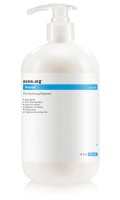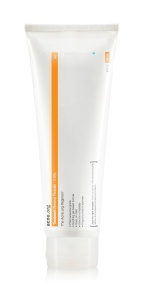
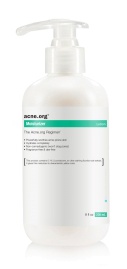
Acne.org Moisturizer With Licochalcone (Discontinued)
Acne.org Moisturizer With Licochalcone was a fan-favorite staple specifically formulated to support skin undergoing intensive acne treatments. Though this specific version is discontinued, its formula remains a gold standard for minimalist, non-comedogenic hydration. The product features a base of Simmondsia Chinensis (Jojoba) Seed Oil, a botanical oil that closely mimics human sebum to provide deep moisture without a heavy, greasy residue. To further enhance the skin barrier, it includes Squalane and Saccharide Isomerate, ensuring long-lasting hydration for parched complexions. The star ingredient, Licochalcone (licorice root extract), is renowned for its potent anti-inflammatory properties, effectively calming the redness and irritation often associated with benzoyl peroxide use. The texture is designed to be silky and fast-absorbing, providing a breathable layer of protection. While it contains cetearyl alcohol for stability, the overall formulation prioritizes lightweight, pore-safe ingredients that keep the skin balanced, making it an excellent reference for anyone seeking a safe moisturizer for acne-prone skin.
Our Analysis
Our analysis classifies the Acne.org Moisturizer With Licochalcone as having a LOW comedogenic risk level. The only flagged ingredient is Cetearyl Alcohol, which has a moderate rating of 2 out of 5. On its own, this fatty alcohol is generally safe for most acne sufferers; however, it is important to note that when combined with Ceteareth-20, the pore-clogging potential can increase significantly. Since this formula lacks Ceteareth-20 and relies heavily on non-clogging emollients like Jojoba Oil and Squalane, it is highly unlikely to cause breakouts. It remains a very safe choice for sensitive and reactive skin.
Skin Type Recommendations
This moisturizer is ideal for oily, combination, and acne-prone skin types due to its lightweight, non-greasy profile. Its anti-inflammatory Licochalcone makes it especially beneficial for sensitive skin dealing with redness. While suitable for most, those with extremely dry skin may require an additional occlusive layer during colder months for full protection.
Flagged Ingredients
Fatty alcohol emollient with low-moderate comedogenicity on its own. However, when combined with Ceteareth-20, the synergistic effect can significantly increase pore-clogging potential (combined rating of 4).
Want Deeper Analysis?
Run our MACR (Multi-Axis Comedogenic Risk) analysis to get a comprehensive 5-axis risk assessment. This AI-powered analysis evaluates ingredients for Plugging Risk, Barrier Damage, Fungal Acne Risk, Oxidation Risk, and real-world User Reports — giving you personalized scores for your skin type.