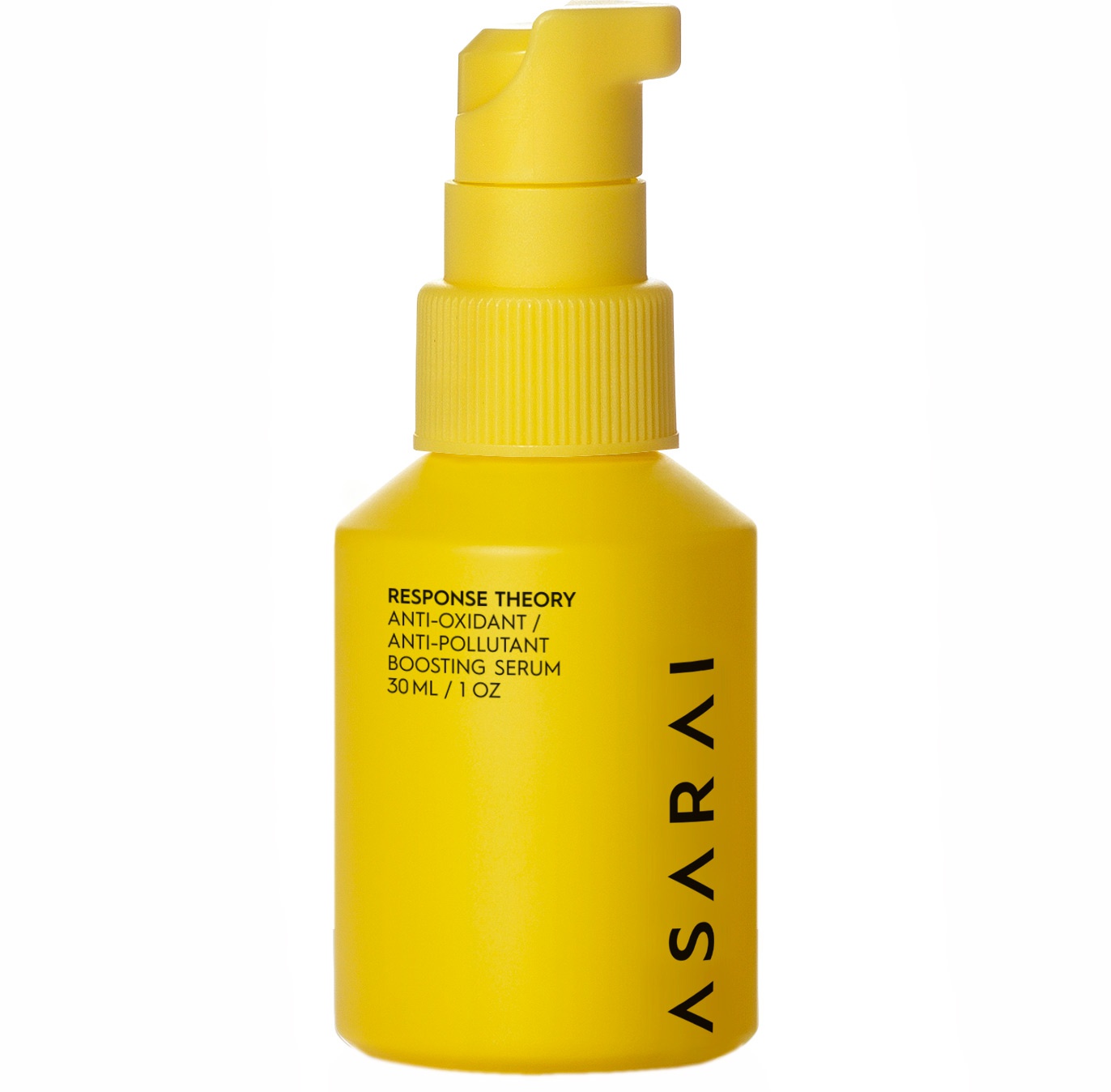
Asarai Response Theory Serum
Asarai Response Theory Serum is a lightweight hydrating treatment designed to replenish the skin’s moisture barrier and provide a soothing boost to the complexion. Formulated by the Australian brand Asarai, this serum focuses on plumping the skin using a base of Sodium Hyaluronate and Glycerin. One of its standout features is the inclusion of Oat Beta Glucan, a powerhouse ingredient known for its ability to calm irritation and provide deeper hydration than traditional hyaluronic acid. The texture is characterized by a slippery, silky feel, largely due to the inclusion of Chondrus Crispus (red seaweed extract). While the serum aims to deliver a 'lit-from-within' glow through its botanical-heavy formula, users should look closely at its thickening agents. It blends moisture-binding humectants with protective antioxidants like Vitamin E to create a refreshing application experience. However, because it utilizes specific seaweed derivatives to achieve its consistency, those with highly congestion-prone skin should be aware of how these ingredients interact with their pores.
Our Analysis
Our analysis of Asarai Response Theory Serum reveals a moderate comedogenic risk level that acne-prone users should note. The primary concern is Carrageenan (Chondrus Crispus), which carries a high comedogenic rating of 5/5. This ingredient is a thickener that can create a physical film on the skin, potentially trapping bacteria and debris. Additionally, the formula contains Capric/Caprylic Triglyceride and Tocopherol (Vitamin E), both rated 2/5. While these are common and often safe, they can contribute to pore clogging in individuals who are particularly sensitive to fractionated oils or thick antioxidants.
Skin Type Recommendations
This serum is best suited for dry, dehydrated, or mature skin types that require intensive moisture and the soothing benefits of oat beta-glucan. However, it is not recommended for oily or acne-prone skin due to the high comedogenic risk of carrageenan, which may lead to breakouts or closed comedones.
Flagged Ingredients
Highly comedogenic thickener; creates a physical film that traps bacteria and debris.
Fractionated coconut oil; removed most clogging long-chain acids but can still affect some.
Pure Vitamin E is thick and sticky; safe in small amounts as an antioxidant, but potentially clogging in pure oil form.
Want Deeper Analysis?
Run our MACR (Multi-Axis Comedogenic Risk) analysis to get a comprehensive 5-axis risk assessment. This AI-powered analysis evaluates ingredients for Plugging Risk, Barrier Damage, Fungal Acne Risk, Oxidation Risk, and real-world User Reports — giving you personalized scores for your skin type.