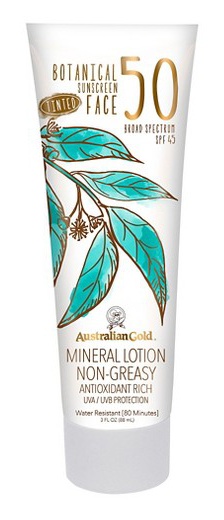
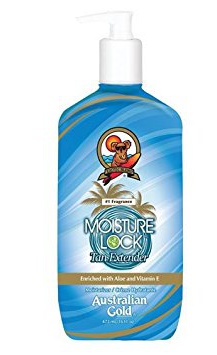
Australian Gold Moisture Lock Tan Extender
Australian Gold Moisture Lock Tan Extender is a specialized post-sun lotion designed to prolong the life of your tan while providing intense hydration. Developed by the sun care experts at Australian Gold, this product aims to prevent the peeling and dryness that often follow sun exposure. The formula features Helianthus Annuus (Sunflower) Seed Oil as a primary emollient, which is rich in Vitamin E and helps to reinforce the skin's natural moisture barrier. Glycerin and Propylene Glycol act as effective humectants, drawing moisture into the skin, while Dimethicone creates a smooth, protective seal to lock that hydration in. The texture is rich and creamy, leaving the skin feeling exceptionally soft and radiant. While it is highly effective at smoothing dry skin on the body, the heavy emollient profile is designed for maximum moisture retention rather than breathability. This makes it an excellent choice for those looking to maintain a golden glow, but users with specific skin sensitivities or congestion concerns should proceed with caution regarding its ingredient makeup.
Our Analysis
Our analysis classifies the Australian Gold Moisture Lock Tan Extender as having a HIGH comedogenic risk. The formula contains Cetyl Acetate and Acetylated Lanolin, both of which carry a 4/5 rating on the comedogenic scale. Acetylated Lanolin is a modified version of sheep wax that is more lipid-soluble and penetrating than pure lanolin, making it notorious for clogging pores. We also flagged Cetyl Alcohol; while generally considered a safe fatty alcohol, it can be a trigger for those with extremely sensitive or acne-prone skin. These ingredients make the product risky for areas prone to breakouts.
Skin Type Recommendations
This product is best for individuals with very dry skin on the body who are not prone to acne. It is not recommended for oily, combination, or acne-prone skin types, particularly for use on the face, chest, or back, as the high-risk ingredients are likely to cause comedones.
Flagged Ingredients
Acetylated fatty alcohol known to be significantly comedogenic.
Modified sheep wax; more penetrating and clogging than pure lanolin.
A fatty alcohol (emollient) that is generally safe, but can be problematic for very sensitive individuals.
Want Deeper Analysis?
Run our MACR (Multi-Axis Comedogenic Risk) analysis to get a comprehensive 5-axis risk assessment. This AI-powered analysis evaluates ingredients for Plugging Risk, Barrier Damage, Fungal Acne Risk, Oxidation Risk, and real-world User Reports — giving you personalized scores for your skin type.