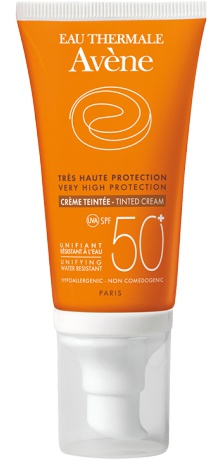
Avene Spf 50+ Tinted Cream
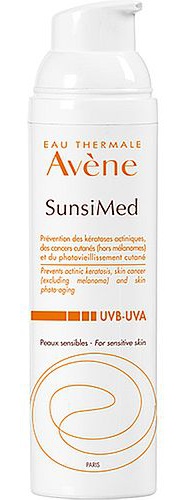
Avene Spf 50+ Tinted Cream is a high-performance sunscreen designed to provide broad-spectrum protection while evening out the complexion with a subtle tint. Formulated with the iconic Avene Thermal Spring Water, this product is exceptionally soothing and anti-irritating, making it a staple for those with reactive skin. The inclusion of C12-15 Alkyl Benzoate ensures a smooth, non-greasy application that leaves the skin feeling soft and protected without a heavy residue. As a tinted cream, it offers a unified skin tone, masking minor imperfections while guarding against UV-induced damage. The formula utilizes advanced sun filters like Methylene Bis-Benzotriazolyl Tetramethylbutylphenol (Tinosorb M) to offer stable UVA and UVB protection. Its texture is creamy and hydrating, providing a comfortable wear throughout the day. For those looking for a dual-purpose product that combines the benefits of a moisturizing base with high-factor SPF, this Avene sunscreen is an excellent choice. It bridges the gap between skincare and light coverage, ensuring your skin remains calm, hydrated, and radiant under the sun.
Our Analysis
Our analysis classifies Avene Spf 50+ Tinted Cream as having a LOW comedogenic risk. The formula is generally safe for many acne-prone individuals, but it does contain capric/caprylic triglyceride. This ingredient is a derivative of coconut oil; while the most pore-clogging long-chain fatty acids have been removed, it still carries a comedogenic rating of 2/5. For most users, this will not cause issues, but those with extremely sensitive pores should monitor for minor congestion. The primary base consists of soothing thermal water and light emollients, significantly reducing the likelihood of breakouts compared to traditional heavy sunscreens.
Skin Type Recommendations
This tinted cream is ideal for dry, normal, and sensitive skin types that require extra hydration and sun protection. While it is low-risk, those with very oily or active acne-prone skin should use it cautiously due to the creamy texture and the presence of triglycerides. Excellent for reactive skin.
Flagged Ingredients
Fractionated coconut oil; removed most clogging long-chain acids but can still affect some.
Want Deeper Analysis?
Run our MACR (Multi-Axis Comedogenic Risk) analysis to get a comprehensive 5-axis risk assessment. This AI-powered analysis evaluates ingredients for Plugging Risk, Barrier Damage, Fungal Acne Risk, Oxidation Risk, and real-world User Reports — giving you personalized scores for your skin type.