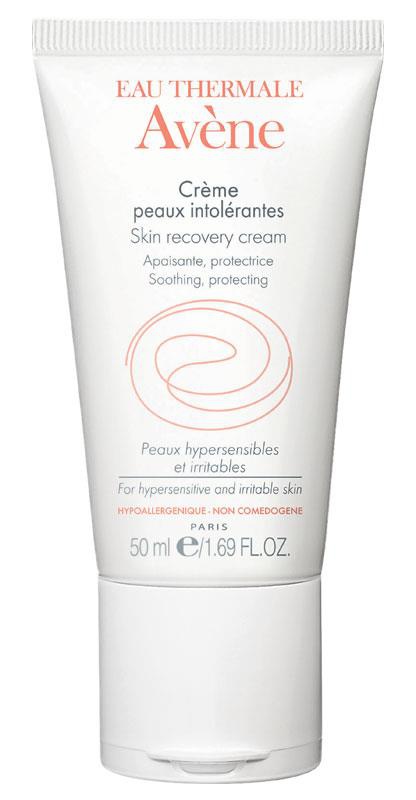
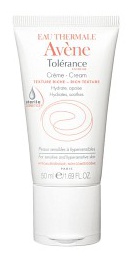
Avene Tolerance Extreme Cream
Avene Tolerance Extreme Cream is a high-performance moisturizer meticulously formulated for those with hypersensitive, reactive, or allergic skin. True to Avene's pharmaceutical heritage, this cream utilizes a minimalist ingredient list to provide intense hydration without the risk of irritation. The star ingredient, Avene Thermal Spring Water, works to soothe and soften the skin, while Glycerin and Safflower Seed Oil provide essential lipids to restore the skin's natural barrier. Despite its rich and nourishing texture, the formula is designed to be as bio-compatible as possible. It features a unique Sterile Cosmetics technology, ensuring the product remains free from preservatives and fragrances throughout its use. The inclusion of Shea Butter adds a layer of emollient protection, making it an excellent choice for those struggling with dryness or a compromised skin profile. For users seeking a pure, effective hydration solution that respects the skin’s physiology, this cream offers a dependable sanctuary from environmental stressors and harsh external factors.
Our Analysis
Our analysis of Avene Tolerance Extreme Cream reveals a low comedogenic risk overall. The primary ingredient flagged is Caprylic/Capric Triglyceride, which carries a 2/5 rating. While this is a fractionated form of coconut oil that has had most pore-clogging long-chain fatty acids removed, it can still affect those with highly reactive, acne-prone skin. However, the formula remains exceptionally clean, lacking common irritants like fragrances, parabens, and emulsifiers. This minimalist approach significantly lowers the risk of 'cosmetic acne' or inflammatory breakouts, making it a much safer alternative to standard heavy creams for sensitive users.
Skin Type Recommendations
This cream is best suited for dry, sensitive, and reactive skin types needing barrier repair. Its soothing properties are excellent for those with eczema or rosacea. Those with very oily or active cystic acne should patch test, as the shea butter and triglycerides may feel slightly heavy for some.
Flagged Ingredients
Fractionated coconut oil; removed most clogging long-chain acids but can still affect some.
MACR Analysis
5-Axis AI-Powered Risk Assessment
The MACR analysis found moderate concerns not captured by traditional comedogenic ratings, such as barrier disruption or irritation potential.
Recommendations
This product is not recommended for acne-prone, oily, or fungal acne-prone skin types due to high risk of breakouts.
Potentially dry skin types seeking emollient hydration, with caution.
Sensitive skin, Oily skin
Acne-prone skin, Oily skin, Fungal acne-prone skin
- •Patch test on a small area before full facial application.
- •If using, apply sparingly, focusing on areas that are not prone to breakouts.
- •Discontinue use immediately if any breakouts or irritation occur.
Overall Risk Score
Lower is better
Score by Skin Type
Lower is better
Same product, different risks based on your skin type
This leave-on cream presents a moderate to high risk for acne-prone and oily skin types, primarily due to the inclusion of shea butter and safflower seed oil. These ingredients pose significant concerns for fungal acne and potential oxidation into irritants, respectively. While the base hydration from glycerin and MCT is beneficial, the emollient and oleochemical composition outweighs these benefits for sensitive and acne-prone individuals.
Risk Breakdown
Why This Score?
The overall risk score is primarily driven by the high weighted scores of Plugging Risk (PR) and Fungal Risk (FR), heavily influenced by Shea Butter and Safflower Seed Oil's oleochemical profiles. User-Reported (UR) data also contributes significantly due to consistent reports of breakouts from these ingredients. The presence of film-forming polymers also adds a minor PR component.
Main factors:
- •Shea Butter (high FR and UR)
- •Safflower Seed Oil (moderate FR and OR)
- •Position of Shea Butter and Safflower Seed Oil in the INCI list
Reducing factors:
- •Glycerin and Caprylic/Capric Triglyceride are generally safe and hydrating.
- •The product is a leave-on, meaning full contact time increases risk compared to rinse-off.
Skin Type Considerations
This analysis uses the Multi-Axis Comedogenic Risk (MACR) system. Results are AI-estimated and cannot account for actual ingredient concentrations. Individual reactions may vary. Consult a dermatologist for personalized advice.