Bepanthen Sensiderm Cream
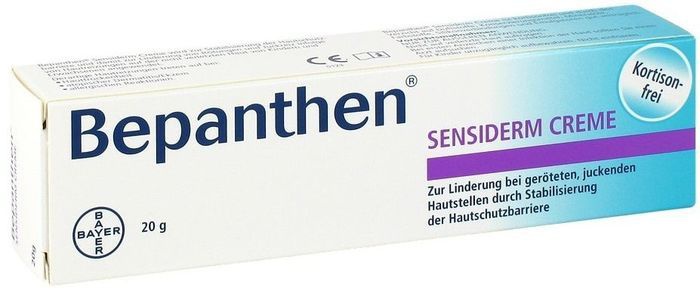
Bepanthen Sensiderm Cream is a specialized skin barrier repair treatment designed to soothe itchiness and redness associated with skin irritation, dryness, or eczema. Formulated by the trusted brand Bepanthen, this cream utilizes a unique lipid lamellar technology that mimics the skin's natural structure to restore the protective layer. The inclusion of key ingredients like Capric Triglyceride and Glycerin ensures deep, long-lasting hydration, while Pentylene Glycol acts as a humectant and stabilizer. The texture is a smooth, non-greasy emollient that absorbs efficiently, providing immediate relief without the heavy, occlusive feel of traditional ointments. Bepanthen Sensiderm is fragrance-free and cortisone-free, making it a gentle option for those with compromised skin barriers. It focuses on replenishing essential lipids to prevent moisture loss and keep external irritants out, supporting the skin's natural healing process for a calmer, healthier complexion.
Our Analysis
Our analysis of Bepanthen Sensiderm Cream indicates a Low comedogenic risk level, making it relatively safe for most users. However, we flagged two ingredients for those with specific sensitivities. Olive Oil (Olea Europaea Fruit Oil) has a rating of 2/5; while nourishing, its high oleic acid content can potentially exacerbate fungal acne (Malassezia). Additionally, Cetearyl Alcohol is present (Rating 2/5). While this fatty alcohol is generally safe and non-irritating on its own, it can become highly comedogenic if combined with Ceteareth-20 in a formula. Fortunately, this specific combination is not a primary concern here, making the cream a solid choice for barrier repair.
Skin Type Recommendations
Bepanthen Sensiderm is best suited for dry, sensitive, and irritated skin types, especially those with a compromised barrier or eczema. While it is low-risk, those with very oily skin or active fungal acne should use caution, as the olive oil content may be too rich or trigger yeast-related breakouts.
Flagged Ingredients
High Oleic Acid content (similar to sebum); generally safe but can exacerbate fungal acne (Malassezia).
Fatty alcohol emollient with low-moderate comedogenicity on its own. However, when combined with Ceteareth-20, the synergistic effect can significantly increase pore-clogging potential (combined rating of 4).
Want Deeper Analysis?
Run our MACR (Multi-Axis Comedogenic Risk) analysis to get a comprehensive 5-axis risk assessment. This AI-powered analysis evaluates ingredients for Plugging Risk, Barrier Damage, Fungal Acne Risk, Oxidation Risk, and real-world User Reports — giving you personalized scores for your skin type.