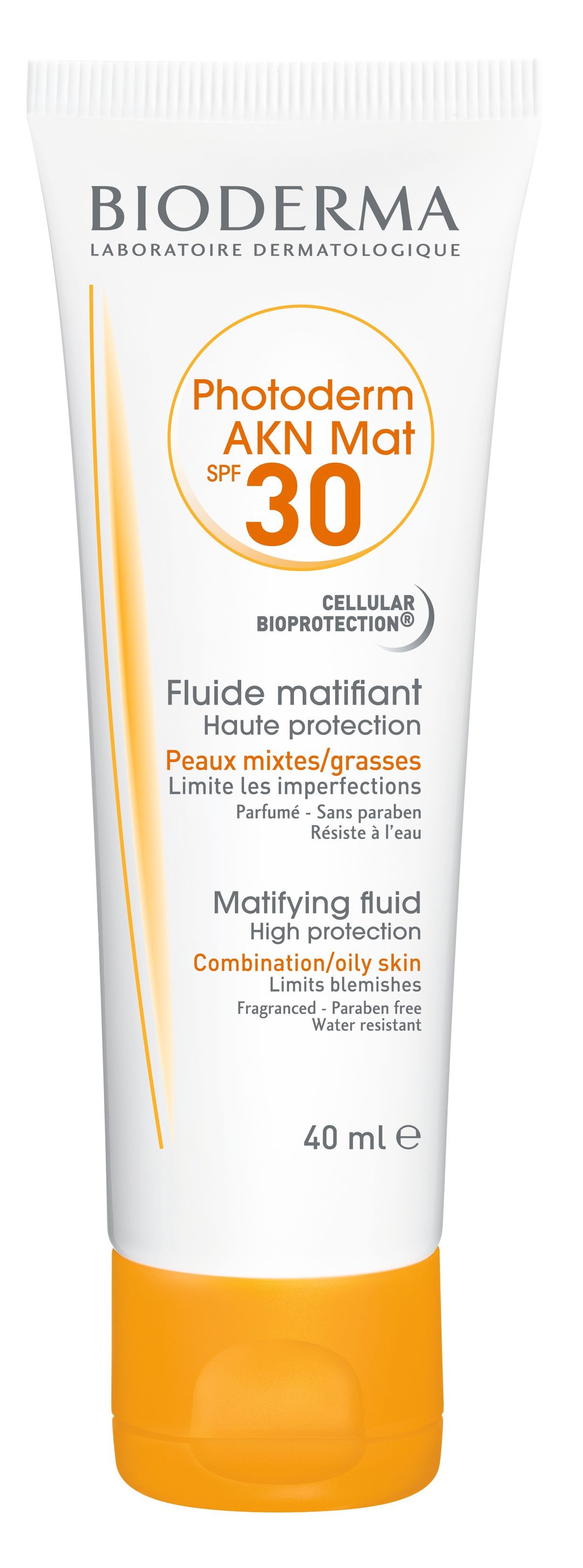
Bioderma Photoderm Akn Mat Spf 30 (Discontinued)
Bioderma Photoderm Akn Mat Spf 30 was specifically formulated as a matifying sunscreen solution for those struggling with oily and blemish-prone skin. As part of the renowned Bioderma sun care range, this product aimed to provide high UVA/UVB protection while utilizing the Fluidactiv™ patent to improve sebum quality. The ingredient list features a blend of chemical filters like Octocrylene, Methylene Bis-Benzotriazolyl Tetramethylbutylphenol (Tinosorb M), and Avobenzone for broad-spectrum defense. Texture-wise, the inclusion of Dicaprylyl Carbonate ensures a lightweight, fluid feel that absorbs quickly with a dry-touch finish, avoiding the greasy residue typical of traditional sunscreens. Although this specific version is discontinued, it was highly regarded for its ability to reduce shine throughout the day. However, despite its 'Akn' branding, a deep dive into the formulation reveals certain ingredients that may be problematic for those with high pore-clogging sensitivity. Users looking for a similar matte finish should prioritize reviewing the comedogenic profile of modern alternatives.
Our Analysis
Our analysis of the Bioderma Photoderm Akn Mat Spf 30 identifies a MODERATE comedogenic risk, which may be unexpected for a product marketed for acne. The most significant concern is Algae Extract, which carries a maximum rating of 5/5. This ingredient is often rich in iodides that can irritate the pore lining, potentially triggering inflammation and micro-comedones. We also flagged Capric/Caprylic Triglyceride (2/5); while a common emollient, this coconut derivative can still affect users sensitive to fatty acid chains. These ingredients make the product a risky choice for those with active congestion.
Skin Type Recommendations
This product is best for oily or combination skin types that are not prone to inflammatory acne. Because of the high comedogenic rating of algae extract, we do not recommend this for those with active acne, sensitive pores, or anyone prone to closed comedones and whiteheads.
Flagged Ingredients
Rich in iodides which irritate the pore lining, triggering inflammation and micro-comedones.
Fractionated coconut oil; removed most clogging long-chain acids but can still affect some.
Want Deeper Analysis?
Run our MACR (Multi-Axis Comedogenic Risk) analysis to get a comprehensive 5-axis risk assessment. This AI-powered analysis evaluates ingredients for Plugging Risk, Barrier Damage, Fungal Acne Risk, Oxidation Risk, and real-world User Reports — giving you personalized scores for your skin type.