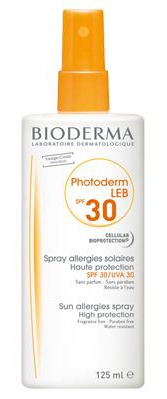
Bioderma Photoderm LEB Spf 30
Bioderma Photoderm LEB Spf 30 is a specialized sunscreen formulated to meet the needs of skin prone to sun allergies, particularly Polymorphous Light Eruption (PLE). This high-protection formula focuses on shielding the skin from intense UVA and UVB rays while maintaining a comfortable, fluid texture. The inclusion of Dicaprylyl Carbonate and Diisopropyl Sebacate ensures a lightweight, emollient feel that absorbs relatively quickly into the skin. As part of Bioderma's commitment to skin health, it uses advanced filters like Tinosorb M and Avobenzone to provide broad-spectrum coverage. While the product is specifically designed to prevent sun-induced reactions and soothe sensitive skin, its ingredient profile contains several components that require attention if you are managing breakouts. The texture is non-greasy, making it pleasant for daily wear, but the biological impact on the pores is the primary concern for those with acne-prone complexions.
Our Analysis
Our analysis classifies Bioderma Photoderm LEB Spf 30 as having a Moderate comedogenic risk. The most concerning ingredient is Algae Extract, which earns a 5/5 rating due to its high iodide content that can irritate the pore lining and trigger micro-comedones. We also flagged Cetearyl Alcohol; while moderately safe on its own, it can become highly pore-clogging when combined with specific emulsifiers. Lastly, Capric/Caprylic Triglyceride adds a minor risk for those sensitive to coconut derivatives. While excellent for sun-induced allergies, these ingredients may be problematic for those prone to inflammatory acne.
Skin Type Recommendations
This sunscreen is ideal for dry or normal skin types suffering from sun allergies or photosensitivity. However, due to the presence of Algae Extract and fatty alcohols, it is not recommended for oily or acne-prone skin. Those with active congestion should use caution as it may trigger new breakouts.
Flagged Ingredients
Rich in iodides which irritate the pore lining, triggering inflammation and micro-comedones.
Fatty alcohol emollient with low-moderate comedogenicity on its own. However, when combined with Ceteareth-20, the synergistic effect can significantly increase pore-clogging potential (combined rating of 4).
Fractionated coconut oil; removed most clogging long-chain acids but can still affect some.
Want Deeper Analysis?
Run our MACR (Multi-Axis Comedogenic Risk) analysis to get a comprehensive 5-axis risk assessment. This AI-powered analysis evaluates ingredients for Plugging Risk, Barrier Damage, Fungal Acne Risk, Oxidation Risk, and real-world User Reports — giving you personalized scores for your skin type.