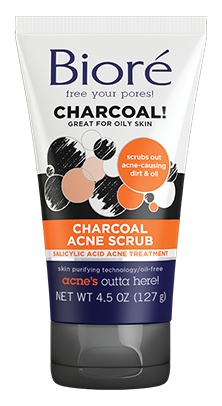
Biore Charcoal Acne Scrub
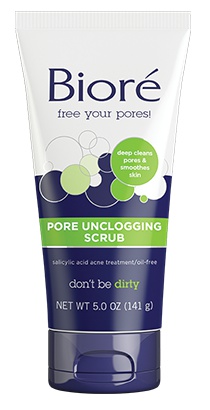
Biore Charcoal Acne Scrub is a widely recognized drugstore exfoliant designed to target stubborn breakouts and deeply detoxify pores. Formulated with Salicylic Acid as the primary active ingredient, this scrub works to chemically dissolve the cellular glue that traps oil and debris inside the pore. The physical exfoliation is provided by Alumina, giving the product a gritty, deep-cleansing texture that aims to smooth the skin's surface. Glycerin is included to provide a touch of hydration, balancing the intensive cleansing action of the charcoal. While it feels refreshing and effectively removes surface oil, the formula relies on strong surfactants to achieve its foaming action. This product is intended for those looking to manage oily skin and active congestion, but its ingredient profile requires a deeper look for those with specific sensitivities to common pore-cloggers and surfactants used in mass-market skincare.
Our Analysis
Our analysis classifies the Biore Charcoal Acne Scrub as having a moderate comedogenic risk. The most concerning ingredient is Laureth-4, which carries a maximum rating of 5/5; this oxidative surfactant is known to trigger inflammatory comedones in acne-prone individuals. Furthermore, the inclusion of Sodium Laureth Sulfate (rating 3/5) adds to the risk. While SLES is less irritating than traditional SLS, it can still disrupt the skin barrier and strip essential lipids, potentially leading to 'rebound' oiliness. For those with highly reactive or clog-prone skin, these ingredients may outweigh the benefits of the Salicylic Acid.
Skin Type Recommendations
This scrub is primarily suited for very oily skin types that are not easily irritated. However, we recommend caution for those with dry, sensitive, or inflammatory acne-prone skin. The combination of Laureth-4 and stripping sulfates can compromise the skin barrier, making it a risky choice for compromised or reactive complexions.
Flagged Ingredients
Oxidative surfactant creating inflammatory comedones.
Less irritating than SLS due to ethoxylation, but still capable of stripping oils and causing barrier disruption.
Want Deeper Analysis?
Run our MACR (Multi-Axis Comedogenic Risk) analysis to get a comprehensive 5-axis risk assessment. This AI-powered analysis evaluates ingredients for Plugging Risk, Barrier Damage, Fungal Acne Risk, Oxidation Risk, and real-world User Reports — giving you personalized scores for your skin type.