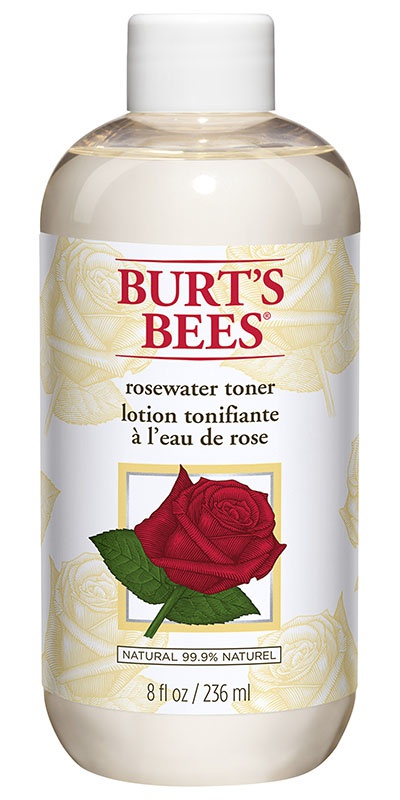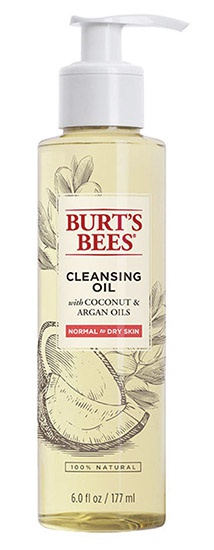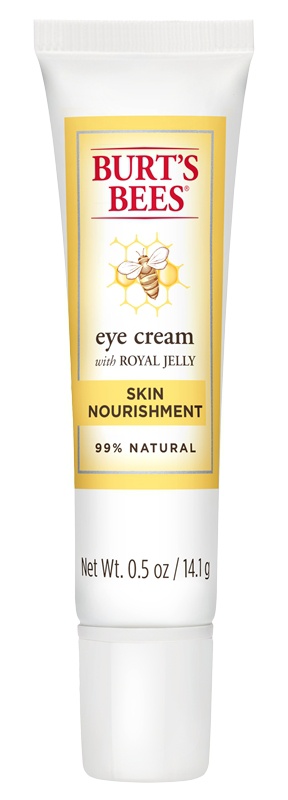
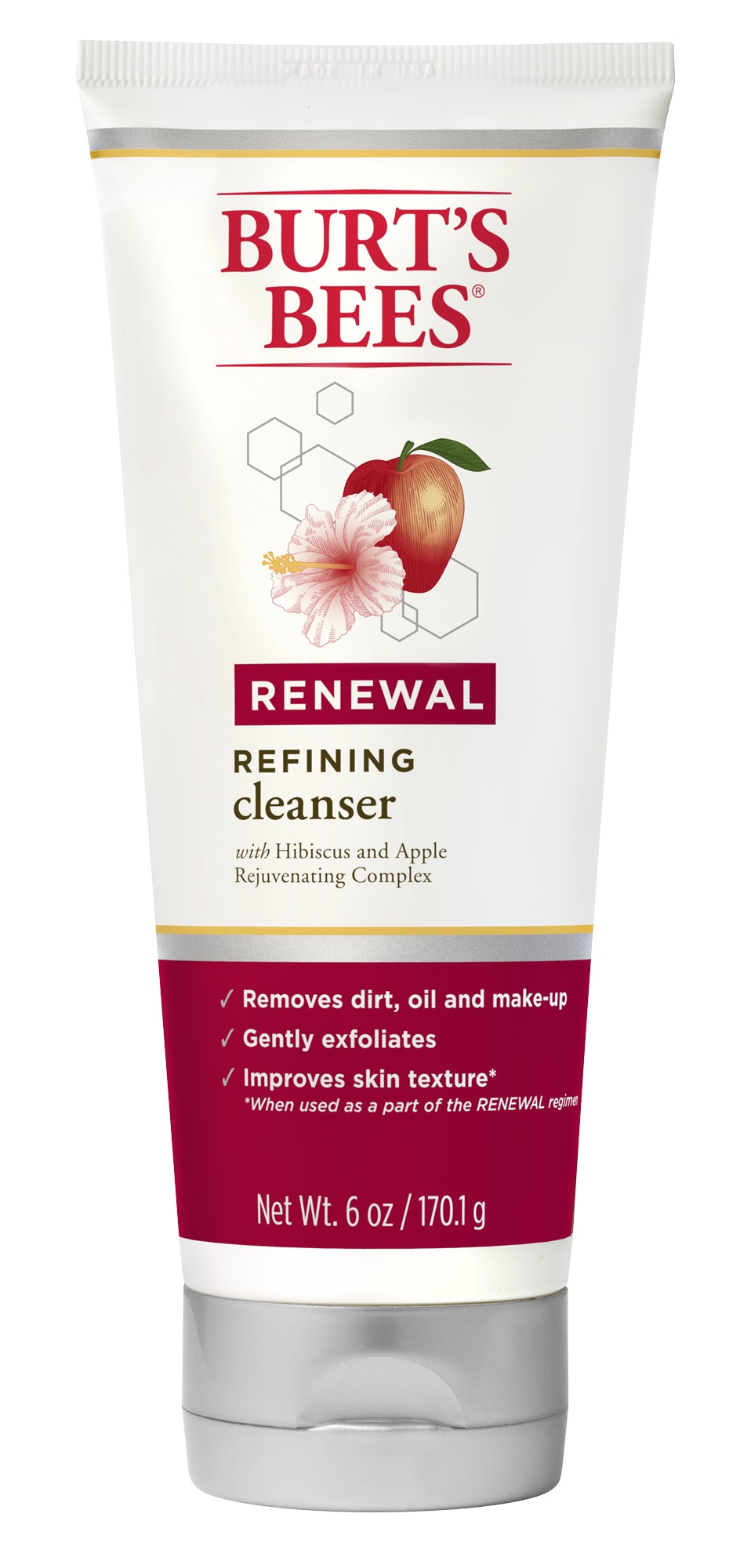
Burt's Bees Renewal Refining Cleanser
Burt's Bees Renewal Refining Cleanser is a creamy face wash designed to gently exfoliate and smooth the skin's surface. Part of the brand's 'Renewal' line, this product focuses on improving skin texture and radiance using natural ingredients. The formula features Glycerin as a primary humectant to help retain moisture, while the inclusion of various botanical oils and fatty alcohols like Cetyl and Stearyl Alcohol suggests a rich, lotion-like texture that cleanses without stripping the skin of its natural oils. This cleanser is formulated to provide a 'refining' effect, physically smoothing the skin to reveal a brighter complexion. While the product is marketed as a natural solution for aging or dull skin, the ingredient profile is quite heavy on emollients. Users can expect a soft, nourished feel post-wash, which is often desirable for those struggling with dryness. However, the botanical-heavy formulation requires a closer look for those with specific skin sensitivities or concerns regarding pore congestion, as the very ingredients that provide nourishment can sometimes be problematic for certain skin types.
Our Analysis
Our analysis of the Burt's Bees Renewal Refining Cleanser reveals a High Comedogenic Risk level, making it potentially problematic for clear skin. The formula contains Coconut Oil and Oleic Acid, both of which carry a high rating of 4/5. Coconut oil is notorious for its high Lauric Acid content, which can solidify within the pore, while Oleic Acid can disrupt barrier function and induce blockages. Additionally, Soybean Oil and a suite of fatty alcohols like Cetearyl Alcohol further increase the likelihood of congestion, especially for those already prone to breakouts or whiteheads.
Skin Type Recommendations
This cleanser is best suited for individuals with very dry or mature skin that is not prone to acne. Its rich oil profile provides excellent lipid replenishment. However, it is poorly suited for oily, combination, or acne-prone skin types, as the high comedogenic ratings suggest a significant risk of clogging pores.
Flagged Ingredients
High Lauric Acid content solidifies inside the pore.
Disrupts skin barrier function and induces pore blockage.
Moderate comedogenicity; depends on the refinement level of the oil.
A fatty alcohol (emollient) that is generally safe, but can be problematic for very sensitive individuals.
Waxy fatty alcohol; low risk but can add heaviness.
Found in many butters; thickening agent with low-moderate risk.
Fatty alcohol emollient with low-moderate comedogenicity on its own. However, when combined with Ceteareth-20, the synergistic effect can significantly increase pore-clogging potential (combined rating of 4).
Pure Vitamin E is thick and sticky; safe in small amounts as an antioxidant, but potentially clogging in pure oil form.
Saturated fatty acid; provides barrier but can be occlusive.
Want Deeper Analysis?
Run our MACR (Multi-Axis Comedogenic Risk) analysis to get a comprehensive 5-axis risk assessment. This AI-powered analysis evaluates ingredients for Plugging Risk, Barrier Damage, Fungal Acne Risk, Oxidation Risk, and real-world User Reports — giving you personalized scores for your skin type.