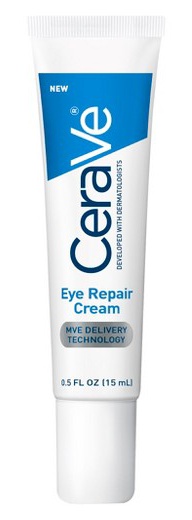
CeraVe Repair Eye Cream
CeraVe Repair Eye Cream is a widely recognized drugstore staple designed to target dark circles and puffiness around the delicate eye area. Formulated with CeraVe’s signature three essential ceramides, this cream aims to restore the protective skin barrier while Niacinamide provides brightening and anti-inflammatory benefits. Hyaluronic acid and Glycerin work together to draw in moisture, ensuring the skin remains hydrated. In terms of texture, it offers a non-greasy, fast-absorbing finish that feels lightweight upon application, making it suitable for wear under makeup. However, beneath its hydrating surface, the formula contains several heavy hitters in the world of emollients and thickening agents. While these ingredients provide a smooth application and help lock in moisture, our deep dive into the ingredient list reveals several components that may be problematic for those with specific skin concerns. Despite its soothing claims, the inclusion of various marine extracts and oils gives this product a rich profile that requires careful consideration for anyone prone to congestion around the orbital bone.
Our Analysis
Our analysis classifies CeraVe Repair Eye Cream as having a HIGH comedogenic risk. The most significant concerns are Red Algae and Algae Extract, both of which carry a 5/5 rating; these ingredients are high in iodides and sulfated galactans that can irritate the pore lining and trigger inflammation. Furthermore, Laureth-4 (5/5) is an oxidative surfactant known to create inflammatory comedones. The presence of Hydrogenated Vegetable Oil and various fatty alcohols further increases the potential for occlusion. While excellent for barrier repair, this specific combination is highly likely to clog pores for reactive skin types.
Skin Type Recommendations
This eye cream is best for those with very dry or mature skin who do not experience breakouts or milia. We recommend that individuals with oily, combination, or acne-prone skin avoid this product, as the high concentration of pore-clogging algae extracts and surfactants may lead to localized congestion.
Flagged Ingredients
Red algae species often contain high levels of sulfated galactans which clog pores.
Rich in iodides which irritate the pore lining, triggering inflammation and micro-comedones.
Oxidative surfactant creating inflammatory comedones.
Trans-fat texture can be occlusive.
A fatty alcohol (emollient) that is generally safe, but can be problematic for very sensitive individuals.
Fractionated coconut oil; removed most clogging long-chain acids but can still affect some.
Fatty alcohol emollient with low-moderate comedogenicity on its own. However, when combined with Ceteareth-20, the synergistic effect can significantly increase pore-clogging potential (combined rating of 4).
Rich in Oleic acid; nourishing for dry skin but potentially occlusive for oily skin.
Pure Vitamin E is thick and sticky; safe in small amounts as an antioxidant, but potentially clogging in pure oil form.
Want Deeper Analysis?
Run our MACR (Multi-Axis Comedogenic Risk) analysis to get a comprehensive 5-axis risk assessment. This AI-powered analysis evaluates ingredients for Plugging Risk, Barrier Damage, Fungal Acne Risk, Oxidation Risk, and real-world User Reports — giving you personalized scores for your skin type.