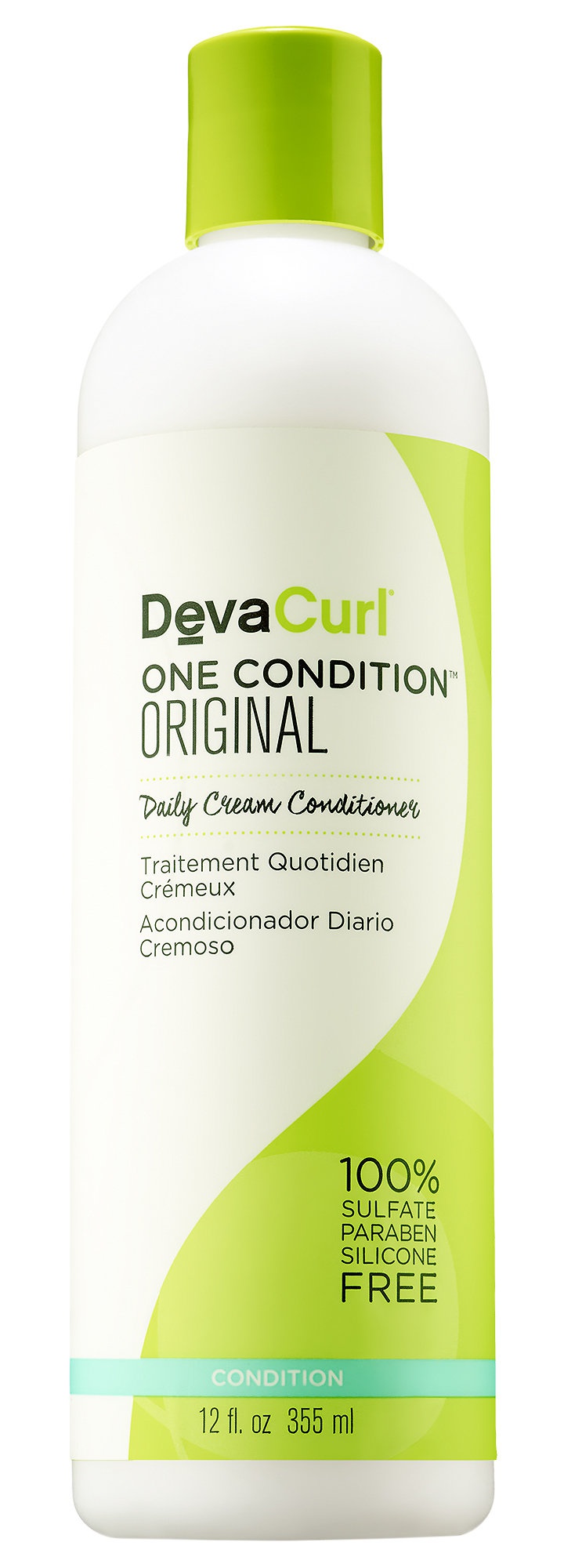
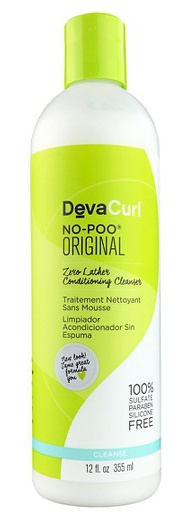
DevaCurl No-Poo Original
DevaCurl No-Poo Original is a well-known non-lathering conditioning cleanser designed specifically for curly and coily hair. While it is marketed for hair care, the ingredients in this creamy formula often come into direct contact with the face, neck, and back during the washing process, making its skin-safety profile highly relevant for those prone to breakouts. The product features a moisture-rich base of Water, Glycerin, and Cetyl Alcohol to provide essential hydration and slip for detangling curls. Its texture is dense and emollient, intended to mimic a conditioner rather than a traditional soapy shampoo. By avoiding harsh sulfates, it aims to preserve the scalp's natural oils. However, the inclusion of heavy esters and specific surfactants gives it a luxurious feel that may unfortunately linger on the skin long after rinsing. For individuals focusing on a clear complexion, understanding how these nourishing hair ingredients interact with pores is just as important as the results they provide for your curls.
Our Analysis
Our analysis classifies DevaCurl No-Poo Original as having a high comedogenic risk. The formula contains Laureth-4, which carries a maximum rating of 5/5 due to its tendency to trigger inflammatory comedones. Furthermore, Isopropyl Palmitate (rated 4/5) is a known pore-clogging emollient that can penetrate the skin easily. While Cetyl Alcohol is typically safe for most, it can contribute to congestion in highly sensitive individuals when combined with these high-risk ingredients. If you suffer from hairline or body acne, these specific ingredients are likely culprits that may exacerbate skin congestion during your hair care routine.
Skin Type Recommendations
This product is not recommended for oily or acne-prone skin types, especially those prone to 'bacne' or forehead bumps. While excellent for dry, thirsty curls, the high comedogenic ratings of Laureth-4 and Isopropyl Palmitate make it risky for anyone struggling with clogged pores or active breakouts.
Flagged Ingredients
Oxidative surfactant creating inflammatory comedones.
Fatty acid ester documented to penetrate and block pores.
A fatty alcohol (emollient) that is generally safe, but can be problematic for very sensitive individuals.
Want Deeper Analysis?
Run our MACR (Multi-Axis Comedogenic Risk) analysis to get a comprehensive 5-axis risk assessment. This AI-powered analysis evaluates ingredients for Plugging Risk, Barrier Damage, Fungal Acne Risk, Oxidation Risk, and real-world User Reports — giving you personalized scores for your skin type.