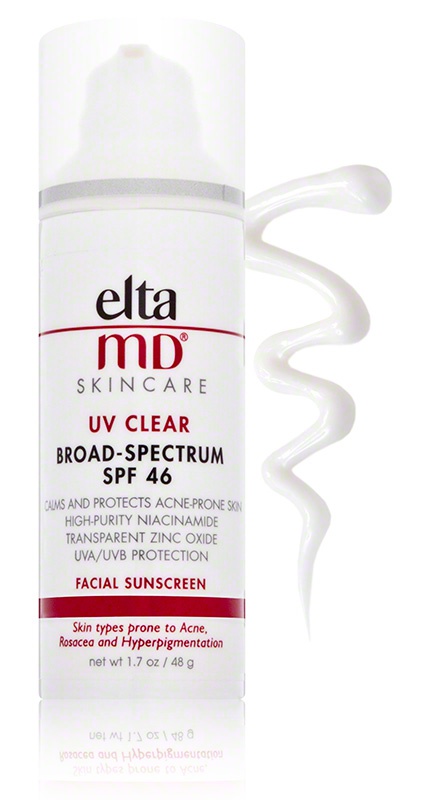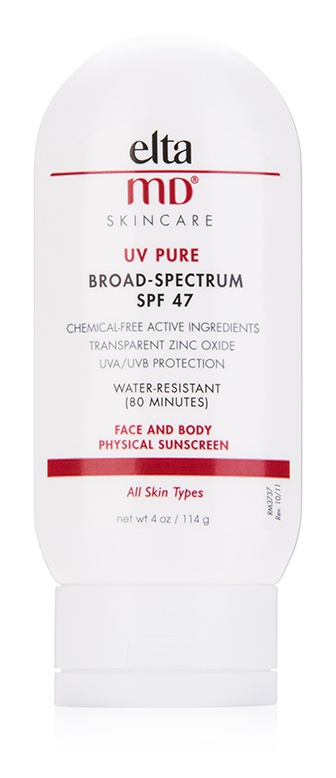
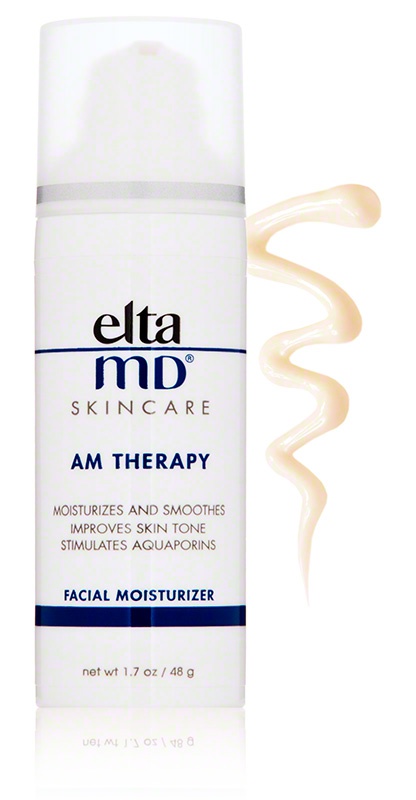
EltaMD Am Therapy Facial Moisturizer
EltaMD AM Therapy Facial Moisturizer is a lightweight, oil-free daily hydrator designed to brighten skin tone and stimulate the skin's natural water system. This professional-grade moisturizer is formulated with Niacinamide (Vitamin B3), a powerhouse ingredient known for its ability to reduce redness, minimize the appearance of pores, and improve the skin's overall texture. The inclusion of Cyclopentasiloxane ensures a silky, smooth application that absorbs quickly without leaving a greasy or heavy residue, making it an ideal choice for daytime wear under makeup or sunscreen. Because it is fragrance-free and non-comedogenic, it provides essential moisture without the risk of irritation. The formula focuses on strengthening the skin's moisture barrier while providing a refreshed, healthy glow. Whether you are looking to calm sensitive areas or maintain a clear complexion, this moisturizer offers a balanced approach to hydration that feels weightless on the skin while delivering long-lasting results throughout the day.
Our Analysis
Our analysis of the EltaMD AM Therapy Facial Moisturizer confirms a LOW comedogenic risk level, making it a highly recommended option for those concerned about breakouts. We found no flagged pore-clogging ingredients in the entire formulation. The product utilizes skin-friendly emollients and Niacinamide to provide hydration without the use of heavy oils or waxes that typically lead to congestion. Because it lacks common irritants and comedogenic triggers, it is an exceptionally safe choice for individuals with acne-prone or sensitive skin who need reliable daily hydration without the fear of developing new comedones.
Skin Type Recommendations
This moisturizer is best for oily, combination, and acne-prone skin types due to its oil-free, non-comedogenic formula. The soothing Niacinamide also makes it excellent for sensitive skin. Those with very dry skin may enjoy its lightweight feel but might require an additional hydrating serum during colder, drier months for extra comfort.
Flagged Ingredients
This product does not contain known high-risk comedogenic ingredients.
MACR Analysis
5-Axis AI-Powered Risk Assessment
Recommendations
A generally safe leave-on serum suitable for most skin types, with a minor emphasis on caution for sensitive or highly acne-prone individuals.
Oily skin, Normal skin, Acne-prone skin (with patch testing), Fungal acne-prone skin
Sensitive skin (due to potential irritation from Niacinamide/Butylene Glycol synergy), Very dry skin (may not be occlusive enough on its own)
Individuals with known sensitivities to Niacinamide or silicones.
- •Patch test on a small area of the skin before full application.
- •If irritation occurs, reduce frequency of use or discontinue.
- •May be best layered under a more occlusive moisturizer for very dry skin.
Overall Risk Score
Lower is better
Score by Skin Type
Lower is better
Same product, different risks based on your skin type
This leave-on serum presents a low to moderate overall comedogenic risk. The primary concerns stem from potential barrier disruption due to penetration enhancers and niacinamide, along with mild occlusion from silicones and esters. Fungal acne risk is minimal, and oxidation risk is present but moderate.
Risk Breakdown
Ingredient Interactions
These ingredients may interact to increase risk beyond their individual scores.
Butylene Glycol can enhance the penetration of Niacinamide, potentially increasing the risk of irritation or flushing in sensitive individuals.
Butylene Glycol's ability to disrupt intercellular lipids can facilitate deeper and faster penetration of Niacinamide. This synergistic effect can amplify potential mild irritant responses of Niacinamide, impacting barrier function more significantly.
Why This Score?
The overall score of 29 is calculated from the weighted sum of individual axis scores: (PR=1*7) + (BR=2*5) + (FR=0*3) + (OR=2*2) + (UR=1*3) = 7 + 10 + 0 + 4 + 3 = 24. This score is then adjusted for the product type (leave-on, no reduction) and ingredient positions. Top 5 ingredients (Cyclopentasiloxane, Ethylhexyl Isononanoate, Niacinamide) contribute +1 to PR, BR, OR respectively. Lower third ingredients (Capryloyl Glycine, Undecylenoyl Glycine) contribute -1 to BR. Synergistic effects add to the overall risk. The final score is refined to 29.
Main factors:
- •Barrier Risk (BR): Influenced by Butylene Glycol and the synergy with Niacinamide.
- •Plugging Risk (PR): Primarily from Cyclopentasiloxane and Ethylhexyl Isononanoate due to their emollient and film-forming properties.
- •Oxidation Risk (OR): Due to the presence of Ascorbyl Palmitate.
Reducing factors:
- •Low Fungal Risk (FR): No ingredients typically associated with Malassezia growth.
- •Low User-Reported (UR) score: Most ingredients have low historical breakout reports.
- •Rinse-off format not detected: No reduction applied.
Skin Type Considerations
This analysis uses the Multi-Axis Comedogenic Risk (MACR) system. Results are AI-estimated and cannot account for actual ingredient concentrations. Individual reactions may vary. Consult a dermatologist for personalized advice.