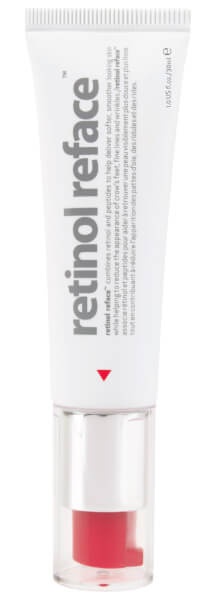
Indeed Labs Retinol Reface
Indeed Labs Retinol Reface is a targeted skin-resurfacing cream designed to minimize the appearance of fine lines, wrinkles, and uneven skin texture. This 3-in-1 formula combines a retinol derivative, pure encapsulated retinol, and a retinol-like peptide to deliver visible anti-aging results with reduced irritation. The product features a smooth, silicone-based texture thanks to ingredients like dimethicone, providing a velvety finish upon application. While it focuses on skin renewal and collagen support, the formula also incorporates various emollients and thickeners to maintain skin hydration during the retinoid delivery process. This makes it an attractive option for those looking to soften skin and improve radiance. However, despite its refining claims, the ingredient composition includes several heavy hitters that may not align with a clear-skin regimen. For users seeking the gold-standard benefits of Vitamin A, understanding how these specific additives interact with your pores is essential for maintaining a blemish-free complexion while fighting the signs of aging.
Our Analysis
Our analysis of Indeed Labs Retinol Reface indicates a High comedogenic risk level, making it a potentially problematic choice for those with acne-prone skin. The formula contains Algin, a seaweed-derived thickener with a high rating of 4/5, known for creating a film that can trap sebum. Additionally, the inclusion of soybean oil and fatty alcohols like cetearyl and cetyl alcohol adds to the emollient richness but increases the likelihood of pore congestion. While effective for anti-aging, these specific ingredients may trigger breakouts or whiteheads in individuals sensitive to heavy oils and film-forming polysaccharides.
Skin Type Recommendations
Indeed Labs Retinol Reface is best suited for dry, mature, or non-acne-prone skin types looking for anti-aging benefits. Due to its high comedogenic risk and the presence of soybean oil and algin, it is not recommended for oily, congested, or acne-prone skin, as it may exacerbate breakouts and clogged pores.
Flagged Ingredients
Polysaccharide thickener derived from brown algae; creates clogging films.
Moderate comedogenicity; depends on the refinement level of the oil.
Fatty alcohol emollient with low-moderate comedogenicity on its own. However, when combined with Ceteareth-20, the synergistic effect can significantly increase pore-clogging potential (combined rating of 4).
A fatty alcohol (emollient) that is generally safe, but can be problematic for very sensitive individuals.
Pure Vitamin E is thick and sticky; safe in small amounts as an antioxidant, but potentially clogging in pure oil form.
Want Deeper Analysis?
Run our MACR (Multi-Axis Comedogenic Risk) analysis to get a comprehensive 5-axis risk assessment. This AI-powered analysis evaluates ingredients for Plugging Risk, Barrier Damage, Fungal Acne Risk, Oxidation Risk, and real-world User Reports — giving you personalized scores for your skin type.