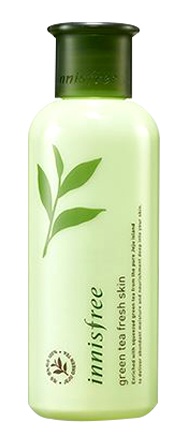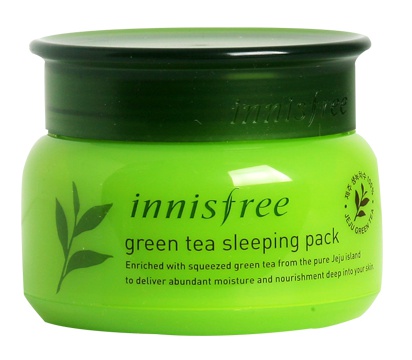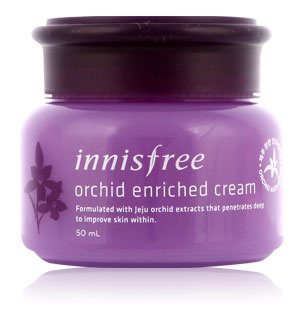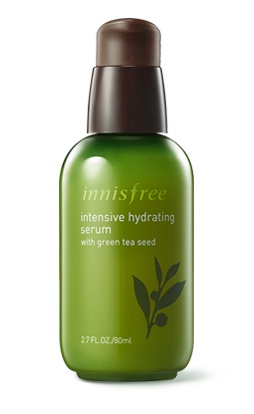
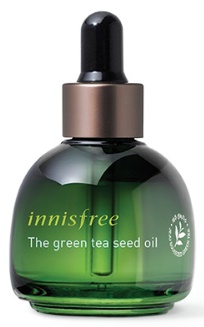
innisfree The Green Tea Seed Oil
The innisfree Green Tea Seed Oil is a potent moisture-locking face oil designed to provide a deep boost of hydration and antioxidant protection. Formulated with 30% Green Tea Seed Oil harvested from Jeju Island, this product is rich in amino acids and minerals that help restore the skin's natural moisture barrier. The inclusion of Squalene and Dicaprylyl Carbonate ensures that the oil has a lightweight, silky texture that absorbs quickly without leaving a heavy or greasy residue. Unlike traditional heavy oils, this formula utilizes caprylic/capric triglyceride to provide emollient benefits while remaining relatively breathable on the skin. This oil is ideal for those looking to seal in their serum or cream, providing a dewy, radiant finish that protects against environmental stressors. Whether you are dealing with seasonal dryness or looking to enhance your skin's natural glow, this concentrated seed oil offers a dose of nourishment that feels luxurious and soothing upon application.
Our Analysis
Our analysis classifies the innisfree Green Tea Seed Oil as having a LOW comedogenic risk level. The primary ingredient of concern is caprylic/capric triglyceride, which carries a comedogenic rating of 2 out of 5. While derived from coconut oil, this fractionated version has had the most pore-clogging long-chain fatty acids removed. However, individuals with extremely reactive, acne-prone skin should monitor their reaction. On a positive note, the formula contains Squalene, a skin-identical lipid that provides excellent hydration without being inherently comedogenic, making this one of the safer oil options for many users.
Skin Type Recommendations
This oil is best suited for dry, dehydrated, and combination skin types looking for a boost of antioxidants. While it has a low comedogenic risk, those with very oily or active acne-prone skin should use it sparingly. It is generally gentle enough for sensitive skin types needing barrier support.
Flagged Ingredients
Fractionated coconut oil; removed most clogging long-chain acids but can still affect some.
Want Deeper Analysis?
Run our MACR (Multi-Axis Comedogenic Risk) analysis to get a comprehensive 5-axis risk assessment. This AI-powered analysis evaluates ingredients for Plugging Risk, Barrier Damage, Fungal Acne Risk, Oxidation Risk, and real-world User Reports — giving you personalized scores for your skin type.