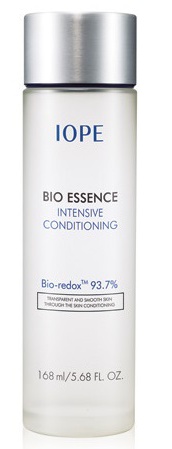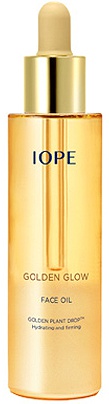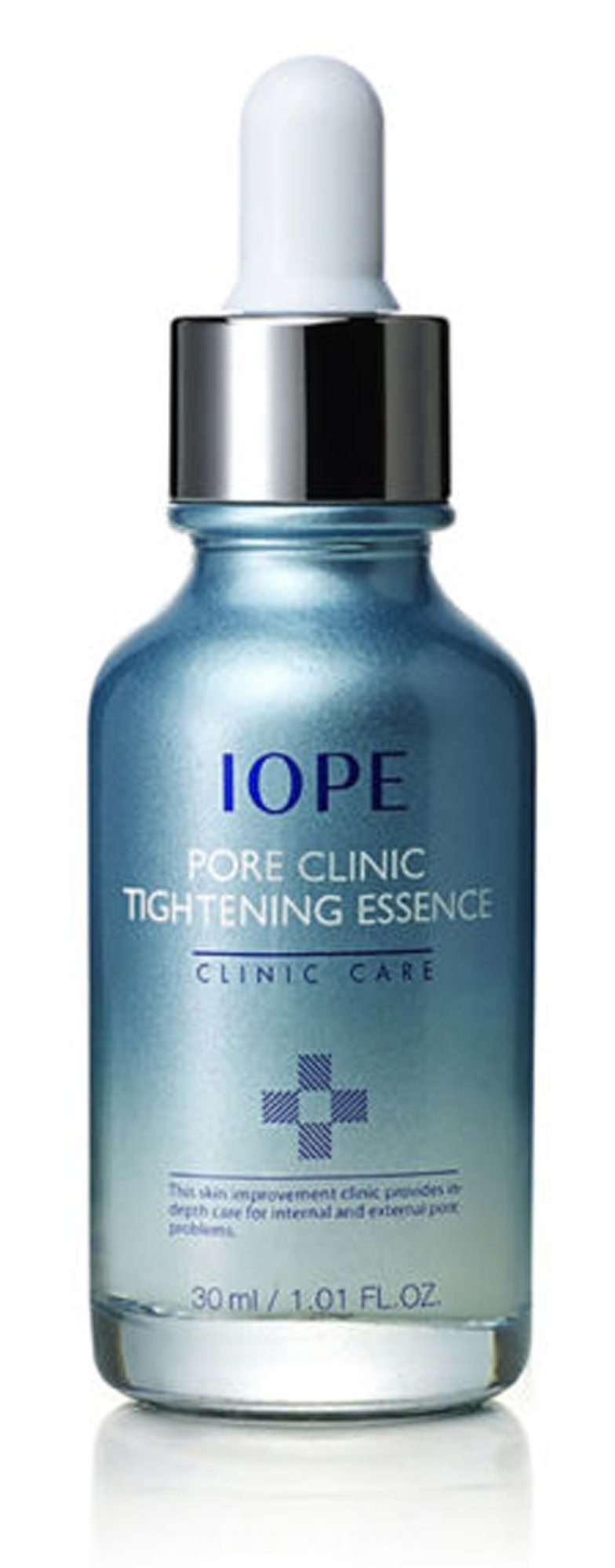
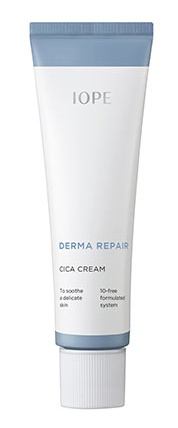
IOPE Derma Repair Cica Cream
IOPE Derma Repair Cica Cream is a concentrated treatment designed to soothe sensitized skin and strengthen the moisture barrier. This Korean skincare staple from IOPE is formulated with a '10-free' philosophy, making it a popular choice for those with reactive complexions. The ingredient list features Squalane in the top three ingredients, providing a bio-identical lipid source that mimics the skin's natural sebum to deliver intense hydration without an overly greasy residue. As a 'Cica' cream, it focuses on calming inflammation and repairing damaged skin tissue, utilizing botanical extracts to reduce redness and irritation. The texture is a rich, comforting cream that glides on smoothly, leaving a protective film that prevents transepidermal water loss throughout the day. While it is highly effective for repairing a compromised skin barrier or recovering from harsh treatments, users with active acne should examine the formulation closely. Despite its soothing claims, the inclusion of certain fatty alcohols and thickeners gives it a moderate comedogenic profile, which may be a concern for those prone to persistent whiteheads or clogged pores.
Our Analysis
Our analysis classifies the IOPE Derma Repair Cica Cream as having a Moderate comedogenic risk. While the formula is excellent for barrier repair, it contains four specific ingredients—cetearyl alcohol, stearic acid, sorbitan isostearate, and caprylic/capric triglyceride—that each carry a 2/5 rating. While these are relatively low individually, their cumulative presence can be problematic for congestion-prone skin. Notably, cetearyl alcohol can become highly comedogenic (rating of 4) if layered with products containing Ceteareth-20. This cream is best suited for those needing deep repair rather than those struggling with active acne.
Skin Type Recommendations
This cream is best for dry, dehydrated, or sensitive skin types needing barrier support. It is less ideal for oily or acne-prone skin due to its moderate risk of clogging pores. If you have combination skin, consider using it only on dry patches rather than the T-zone.
Flagged Ingredients
Fatty alcohol emollient with low-moderate comedogenicity on its own. However, when combined with Ceteareth-20, the synergistic effect can significantly increase pore-clogging potential (combined rating of 4).
Fractionated coconut oil; removed most clogging long-chain acids but can still affect some.
Found in many butters; thickening agent with low-moderate risk.
Emulsifier with lower clog potential than Oleate.
Want Deeper Analysis?
Run our MACR (Multi-Axis Comedogenic Risk) analysis to get a comprehensive 5-axis risk assessment. This AI-powered analysis evaluates ingredients for Plugging Risk, Barrier Damage, Fungal Acne Risk, Oxidation Risk, and real-world User Reports — giving you personalized scores for your skin type.