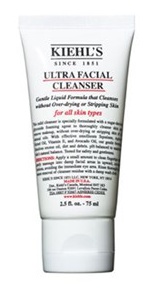
Kiehl’s Ultra Facial Cleanser
Kiehl’s Ultra Facial Cleanser is a popular daily face wash formulated to remove dirt and debris without over-stripping the skin’s natural moisture. This pH-balanced formula features key hydrating ingredients like glycerin and a blend of nourishing botanical oils, including avocado oil, apricot kernel oil, and sweet almond oil. These oils are rich in vitamin E and essential fatty acids, intended to soften the skin while the surfactant system works to dissolve excess sebum. The texture is a lightweight, translucent gel that creates a mild foam when massaged with water, providing a refreshing cleansing experience. While Kiehl's positions this as a universal cleanser suitable for all skin types, our deep dive into the ingredient list reveals several components that may not be ideal for those specifically managing acne-prone skin. Understanding how these emollient ingredients interact with your pores is essential for maintaining a clear complexion.
Our Analysis
Our analysis of Kiehl’s Ultra Facial Cleanser indicates a HIGH Comedogenic Risk. The formula contains Sodium Laureth Sulfate (SLES) as a primary surfactant; while less irritating than SLS, it can still strip the skin barrier. More concerning for acne-prone users is the inclusion of Sweet Almond Oil, Apricot Kernel Oil, and Avocado Oil. These botanical oils are high in oleic acid, which can be occlusive and pore-clogging for certain skin types. Additionally, the presence of Tocopherol (Vitamin E) adds to the potential for congestion. Together, these ingredients may trigger breakouts in sensitive or oily profiles.
Skin Type Recommendations
This cleanser is best suited for individuals with dry to very dry, non-acne-prone skin who benefit from emollient oils. It is not recommended for oily, combination, or acne-prone skin types, as the combination of SLES and multiple rich oils carries a high risk of clogging pores and causing breakouts.
Flagged Ingredients
Less irritating than SLS due to ethoxylation, but still capable of stripping oils and causing barrier disruption.
Rich in Oleic acid; nourishing for dry skin but potentially occlusive for oily skin.
Similar to Almond oil; moderate Oleic acid content.
Pure Vitamin E is thick and sticky; safe in small amounts as an antioxidant, but potentially clogging in pure oil form.
Rich and heavy oil; excellent for dry skin but can be too heavy for very oily skin types.
Want Deeper Analysis?
Run our MACR (Multi-Axis Comedogenic Risk) analysis to get a comprehensive 5-axis risk assessment. This AI-powered analysis evaluates ingredients for Plugging Risk, Barrier Damage, Fungal Acne Risk, Oxidation Risk, and real-world User Reports — giving you personalized scores for your skin type.