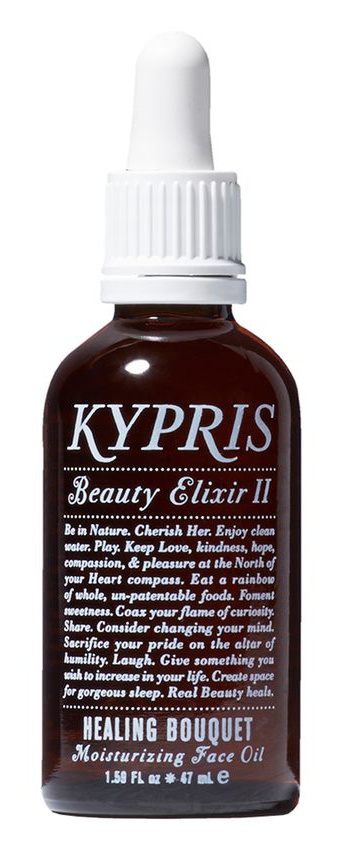
Kypris Beauty Elixir Ii Healing Bouquet
Kypris Beauty Elixir II Healing Bouquet is a luxurious, botanical face oil designed to nourish and revitalize the skin with a complex blend of nutrient-dense oils and floral essences. This elixir features a base of Sunflower Seed, Grape Seed, and Baobab oils, which provide a rich source of antioxidants and essential fatty acids to support the skin's natural barrier and promote a radiant glow. Known for its 'healing bouquet,' the formula includes Kukui and Tamanu oils to soothe inflammation and improve skin texture. The feel is that of a rich, velvety oil that provides deep hydration and an immediate dewy finish. While it is crafted with high-quality, holistic ingredients intended to balance and calm the complexion, its heavy oil profile makes it a potent treatment that requires careful consideration for those with specific skin concerns. It is an indulgent choice for those seeking a high-performance, natural oil blend that prioritizes skin nourishment and a sensory experience.
Our Analysis
Our analysis of the Kypris Beauty Elixir II Healing Bouquet reveals a HIGH comedogenic risk level. The primary concern is the inclusion of Virgin Coconut Oil, which carries a 4/5 rating due to its high Lauric Acid content that can easily clog pores. Furthermore, the formula contains Tamanu oil, Pumpkin seed oil, and Tocopherol, all rated 2/5. While these ingredients offer healing and antioxidant benefits, their heavy molecular structure can be problematic for those prone to congestion. The combination of these specific oils significantly increases the likelihood of breakouts for acne-prone individuals.
Skin Type Recommendations
This elixir is best suited for very dry, dehydrated, or mature skin types that need intensive moisture. However, we strongly advise against using this product if you have oily, combination, or acne-prone skin, as the high comedogenic rating suggests a high probability of pore congestion and breakouts.
Flagged Ingredients
High Lauric Acid content solidifies inside the pore.
Thick, healing oil; heavy texture but anti-bacterial.
Rich in Linoleic acid but also heavy Oleic; balanced.
Pure Vitamin E is thick and sticky; safe in small amounts as an antioxidant, but potentially clogging in pure oil form.
Want Deeper Analysis?
Run our MACR (Multi-Axis Comedogenic Risk) analysis to get a comprehensive 5-axis risk assessment. This AI-powered analysis evaluates ingredients for Plugging Risk, Barrier Damage, Fungal Acne Risk, Oxidation Risk, and real-world User Reports — giving you personalized scores for your skin type.