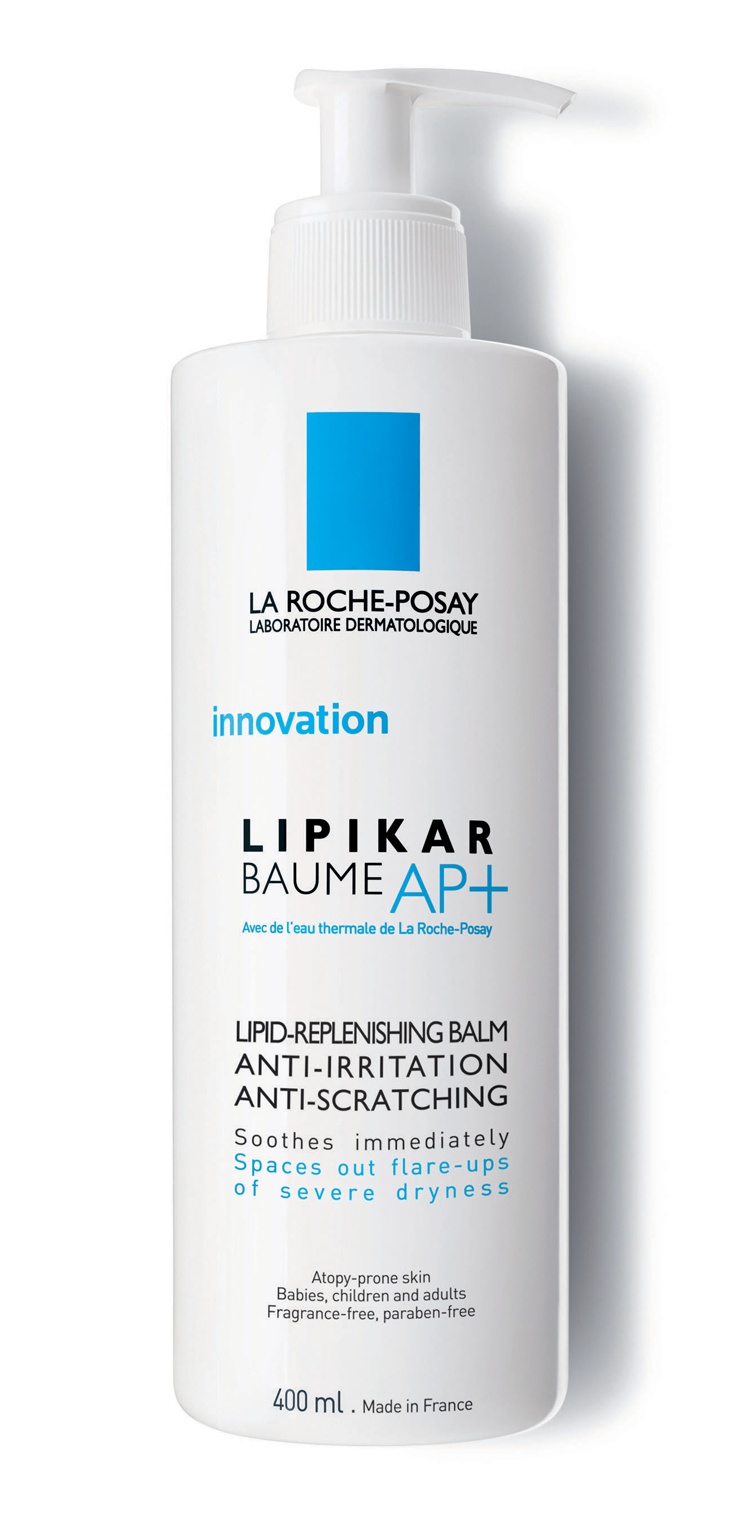
La Roche-Posay Lipikar Baume Ap+
La Roche-Posay Lipikar Baume Ap+ is a highly-regarded lipid-replenishing balm designed to provide intense relief for very dry, itchy, and sensitive skin. This rich formula is powered by a high concentration of Shea Butter and Glycerin, which work together to restore the skin's natural moisture barrier and provide long-lasting hydration. The inclusion of Niacinamide, a form of Vitamin B3, helps to soothe inflammation and calm the sensation of itching, making it a staple for those with eczema-prone skin. The texture is thick and deeply emollient, yet it is formulated to absorb quickly without leaving a greasy film. While primarily intended for the body, its reparative properties make it a go-to for anyone dealing with a compromised skin barrier. It focuses on rebalancing the skin's microbiome, ensuring that the skin remains resilient against external irritants while maintaining a soft, supple feel.
Our Analysis
Our analysis of La Roche-Posay Lipikar Baume Ap+ indicates a LOW comedogenic risk level. The most notable ingredient to watch is cetearyl alcohol, which carries a 2/5 rating. On its own, cetearyl alcohol is a fatty alcohol that moisturizes without high risk; however, we flag it because its comedogenicity can significantly increase if paired with Ceteareth-20. Since this formula prioritizes skin-soothing agents like Shea Butter and Niacinamide, it remains relatively safe for most. Users with very congestion-prone skin should note the high lipid content, which provides a heavy occlusive seal.
Skin Type Recommendations
This balm is best suited for very dry, sensitive, and eczema-prone skin types that require deep barrier repair. Its rich, occlusive nature is perfect for soothing irritation. However, those with very oily or active acne-prone skin should use it sparingly on the face, as the heavy emollients may be too rich.
Flagged Ingredients
Fatty alcohol emollient with low-moderate comedogenicity on its own. However, when combined with Ceteareth-20, the synergistic effect can significantly increase pore-clogging potential (combined rating of 4).
Want Deeper Analysis?
Run our MACR (Multi-Axis Comedogenic Risk) analysis to get a comprehensive 5-axis risk assessment. This AI-powered analysis evaluates ingredients for Plugging Risk, Barrier Damage, Fungal Acne Risk, Oxidation Risk, and real-world User Reports — giving you personalized scores for your skin type.