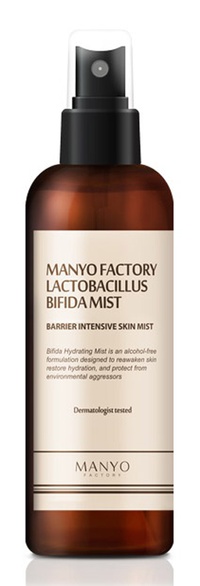
Manyo Factory Lactobacillus Bifida Mist
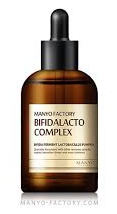
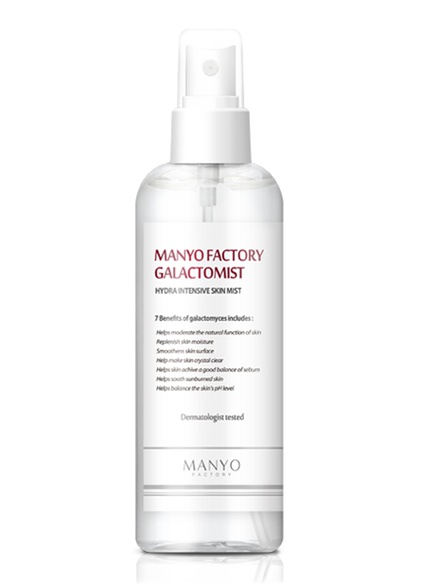
The Manyo Factory Lactobacillus Bifida Mist is a concentrated facial mist designed to strengthen the skin barrier while providing an immediate boost of hydration. Formulated with a potent 20% Bifida Ferment Lysate and 10% Lactobacillus/Pumpkin Fruit Ferment Filtrate, this mist leans heavily into the power of probiotics to support a healthy skin microbiome. Paeonia Lactiflora (Peony) Extract acts as a soothing base, while Sodium Hyaluronate ensures that moisture is effectively locked into the skin's surface. Unlike standard water-based sprays, this product feels more like a liquid serum, delivering a fine, nutrient-rich veil that helps to improve skin elasticity and resilience against environmental stressors. It is particularly effective for those looking to repair a compromised moisture barrier or combat dullness throughout the day. The inclusion of fermented ingredients promotes a radiant finish without leaving a heavy or greasy residue, making it a versatile addition to any skincare routine, whether used as a toner replacement or a refreshing midday pick-me-up.
Our Analysis
Our analysis of the Manyo Factory Lactobacillus Bifida Mist reveals a Low Comedogenic Risk, though there is one specific ingredient to watch. The formula contains Algin, a thickener derived from brown algae, which carries a comedogenic rating of 4/5. Algin is known for its film-forming properties, which, while providing a smooth texture, can potentially trap oils and clog pores in highly acne-prone individuals. However, the high concentrations of beneficial ferments and soothing extracts often outweigh this risk for many. It is essential for users with active congestion to monitor how their skin reacts to this specific polysaccharide.
Skin Type Recommendations
This mist is ideal for dry, sensitive, and combination skin types seeking barrier repair and hydration. Due to the inclusion of Algin, individuals with very oily or highly acne-prone skin should patch test first. It is particularly beneficial for those with a damaged barrier or reactive, sensitized skin.
Flagged Ingredients
Polysaccharide thickener derived from brown algae; creates clogging films.
Want Deeper Analysis?
Run our MACR (Multi-Axis Comedogenic Risk) analysis to get a comprehensive 5-axis risk assessment. This AI-powered analysis evaluates ingredients for Plugging Risk, Barrier Damage, Fungal Acne Risk, Oxidation Risk, and real-world User Reports — giving you personalized scores for your skin type.