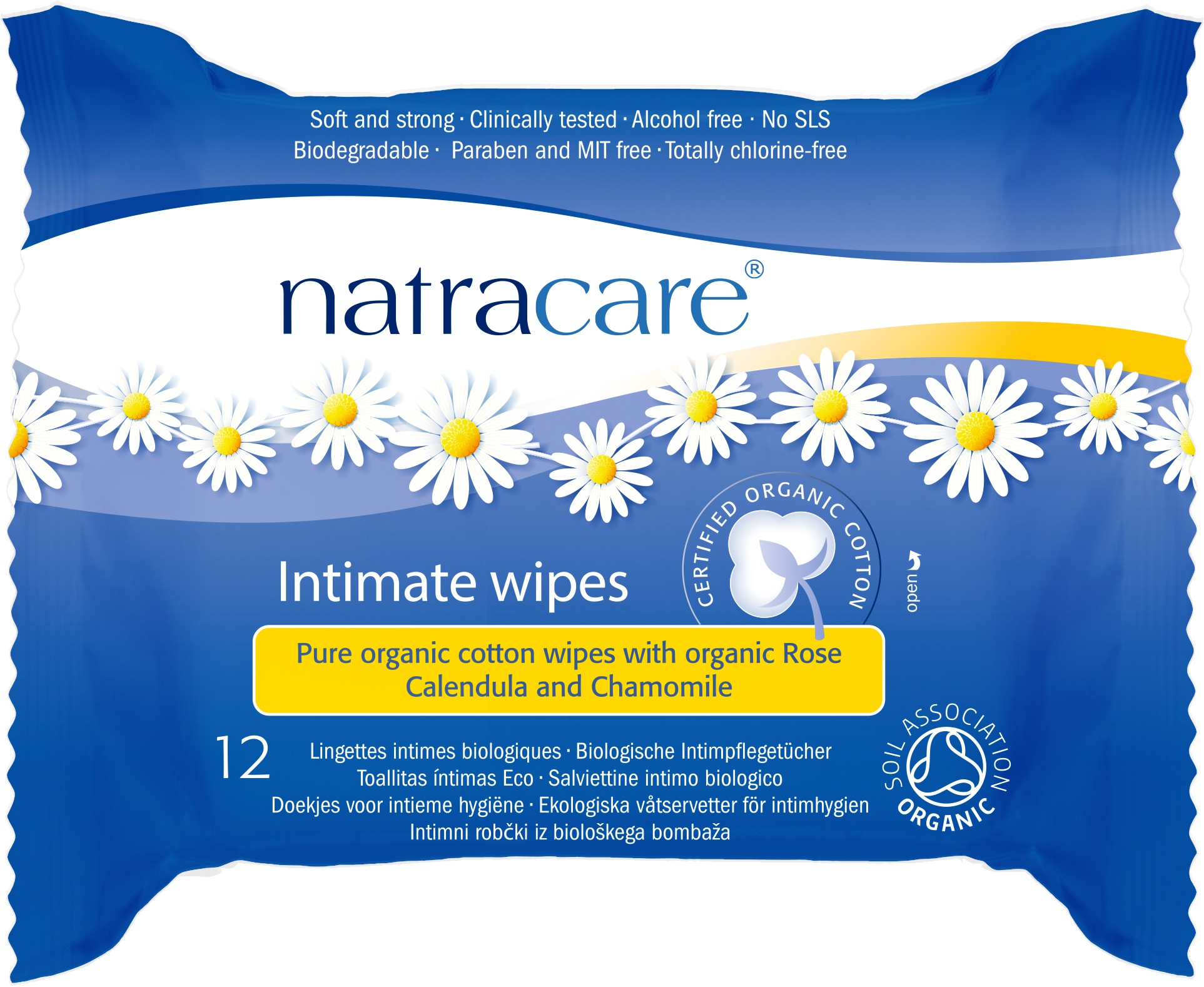
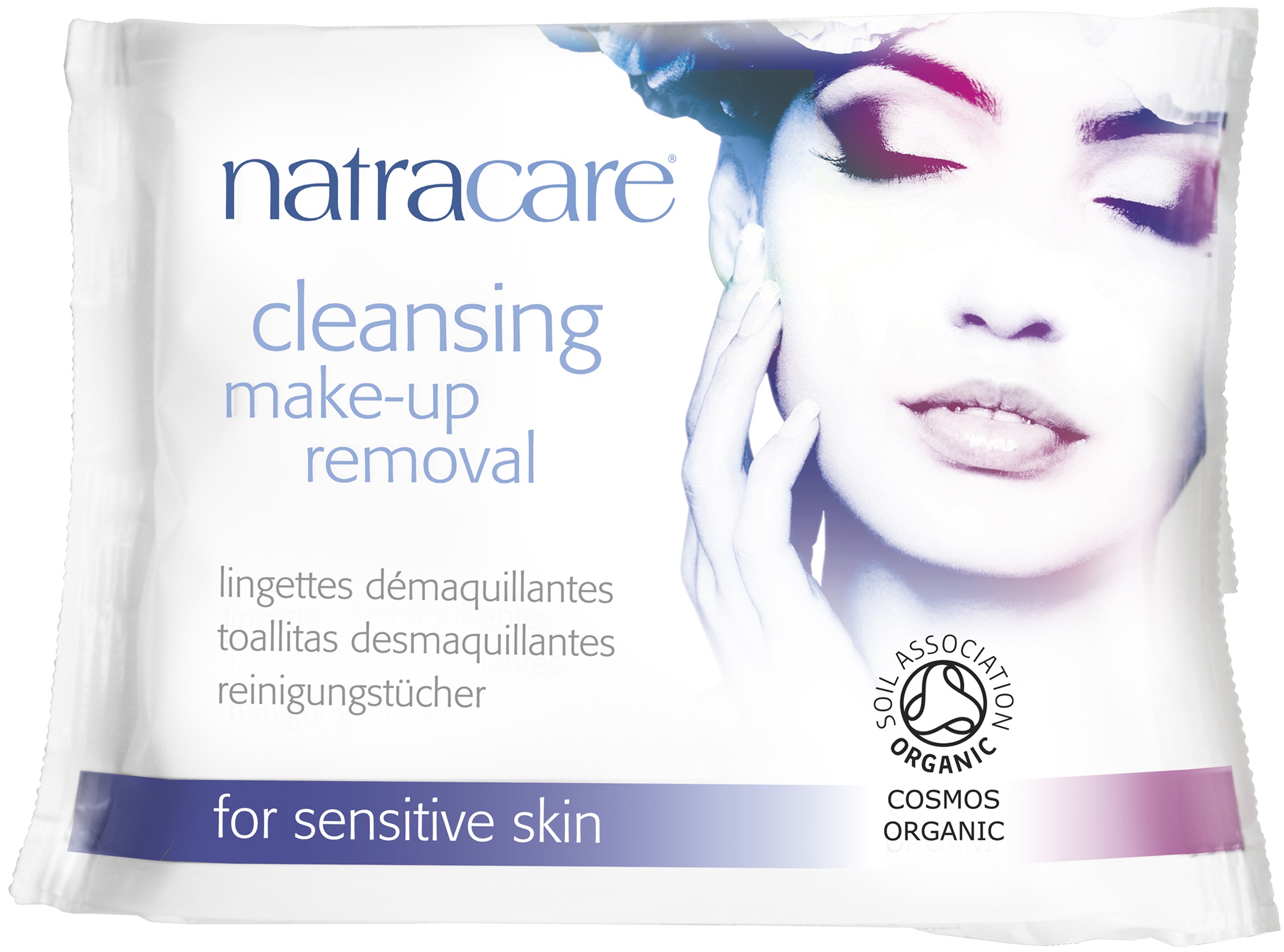
Natracare Cleansing Makeup Removal Wipes
Natracare Cleansing Makeup Removal Wipes offer a plant-based solution for refreshing your skin and removing daily impurities. Infused with organic aloe vera leaf water and glycerin, these wipes are designed to soothe the skin while effectively lifting away makeup and dirt. The formula features coco-caprylate, a coconut-derived emollient that provides a smooth, non-greasy finish, making it feel gentle during application. Unlike many conventional wipes, Natracare prioritizes natural ingredients, catering to those who prefer an eco-friendly skincare routine. However, while the first few ingredients are skin-friendly and hydrating, the formula does contain heavier oils and esters deeper in the list. The texture of the wipe is soft, intended to glide across the face without causing irritation. While these wipes are convenient for travel or quick cleansing, users with specific skin concerns should be aware of how the emollients interact with their pores. Overall, they provide a refreshing experience but require a closer look for those strictly managing congestion-prone skin.
Our Analysis
Our analysis of Natracare Cleansing Makeup Removal Wipes reveals a moderate comedogenic risk. While the formula starts with soothing aloe and hydrating glycerin, it contains polyglyceryl-3 diisostearate, which carries a high comedogenic rating of 4/5. This heavy emollient can form a film on the skin, potentially trapping bacteria and sebum. Additionally, apricot kernel oil and tocopherol (Vitamin E) are present; both carry a 2/5 rating. While these provide antioxidant benefits, their combined presence may contribute to pore congestion in individuals highly susceptible to acne. We recommend a follow-up rinse after use to prevent residue buildup.
Skin Type Recommendations
These wipes are best suited for dry and normal skin types that benefit from emollient plant oils. However, they are not recommended for oily or acne-prone skin due to the presence of polyglyceryl-3 diisostearate. Sensitive skin types may enjoy the soothing aloe, but should proceed with caution regarding potential residue.
Flagged Ingredients
Heavy emollient that can form a suffocating film on the skin.
Similar to Almond oil; moderate Oleic acid content.
Pure Vitamin E is thick and sticky; safe in small amounts as an antioxidant, but potentially clogging in pure oil form.
Want Deeper Analysis?
Run our MACR (Multi-Axis Comedogenic Risk) analysis to get a comprehensive 5-axis risk assessment. This AI-powered analysis evaluates ingredients for Plugging Risk, Barrier Damage, Fungal Acne Risk, Oxidation Risk, and real-world User Reports — giving you personalized scores for your skin type.