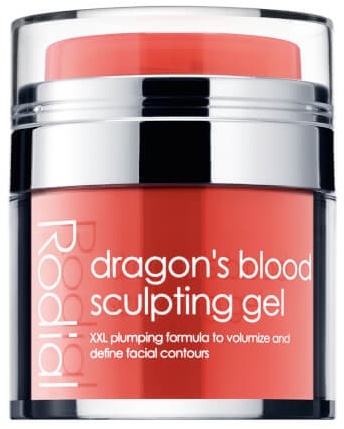
Rodial Dragons Blood Sculpting Gel
Rodial Dragons Blood Sculpting Gel is a cult-favorite anti-aging treatment designed to define facial contours and provide a "liquid facelift" effect. This innovative gel-like formula utilizes the unique properties of Dragon’s Blood (from the Croton Lechleri tree) to create a protective, second-skin film that soothes redness and reduces inflammation. The product features a silicone-heavy base, including Dimethicone and Cyclopentasiloxane, which gives it a velvety, blurring finish that works perfectly as a primer under makeup. While it is celebrated for its firming and plumping properties, users with acne-prone skin should look closely at its composition. It combines hydrating Butylene Glycol with skin-conditioning agents like Hydrogenated Polyisobutene to provide immediate comfort and long-term volume. However, the inclusion of certain surfactants and oils means it isn't a universally "safe" pick for everyone. If you are seeking a volumizing product that targets fine lines while providing a smooth canvas, this gel offers luxury performance, but it’s essential to weigh its anti-aging benefits against your specific pore-clogging sensitivities.
Our Analysis
Our analysis of the Rodial Dragons Blood Sculpting Gel reveals a Moderate comedogenic risk. The primary concern is Laureth-4, which carries a maximum comedogenic rating of 5/5. This oxidative surfactant is known to create inflammatory comedones, making it a high-risk ingredient for those prone to breakouts. Additionally, it contains Caprylic/Capric Triglyceride and Tocopherol (Vitamin E), both rated 2/5. While these are often tolerated, they can contribute to congestion in highly reactive or oily skin types. While the silicone-based texture offers a beautiful cosmetic finish, the potential for pore-clogging is significant for acne-prone individuals.
Skin Type Recommendations
This product is best suited for dry, mature, or dehydrated skin types that require firming and volume without being prone to acne. It is not recommended for oily or acne-prone skin due to the presence of Laureth-4, which can trigger breakouts and contribute to clogged pores.
Flagged Ingredients
Oxidative surfactant creating inflammatory comedones.
Fractionated coconut oil; removed most clogging long-chain acids but can still affect some.
Pure Vitamin E is thick and sticky; safe in small amounts as an antioxidant, but potentially clogging in pure oil form.
Want Deeper Analysis?
Run our MACR (Multi-Axis Comedogenic Risk) analysis to get a comprehensive 5-axis risk assessment. This AI-powered analysis evaluates ingredients for Plugging Risk, Barrier Damage, Fungal Acne Risk, Oxidation Risk, and real-world User Reports — giving you personalized scores for your skin type.