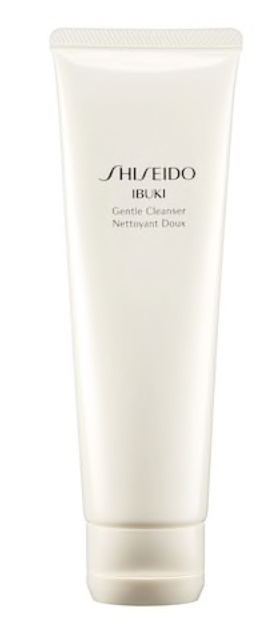
Shiseido Ibuki Gentle Cleanser
Shiseido Ibuki Gentle Cleanser is a high-end foaming facial wash designed to whisk away impurities without stripping the skin of its essential moisture. Part of the Ibuki line, which aims to build skin’s resistance to environmental stress, this cleanser features a luxurious, concentrated cream texture that transforms into a rich, dense lather upon contact with water. Formulated with ingredients like Tocopherol (Vitamin E), it provides a touch of antioxidant protection while leaving the skin feeling refreshed, soft, and exceptionally smooth. The inclusion of specific fatty acids ensures a deep cleanse that effectively targets excess sebum and dead skin cells. While it promises a gentle touch and a sophisticated sensory experience, the formula utilizes a traditional soap-based structure common in many Japanese prestige cleansers. This results in a 'squeaky-clean' finish that many users find deeply satisfying. However, the specific combination of surfactants and emollients in this Shiseido formula requires a closer look for those who struggle with persistent breakouts or sensitive skin, as the texture-enhancing ingredients may have unintended consequences for pore health.
Our Analysis
Our analysis of the Shiseido Ibuki Gentle Cleanser reveals a High Comedogenic Risk, making it a potentially problematic choice for acne-prone individuals. The formula contains several ingredients known to trigger congestion. Most notably, Lauric Acid carries a high 4/5 rating, and Myristic Acid follows with a 3/5 rating; both are saturated fatty acids that can easily clog pores despite their cleansing properties. Furthermore, Glyceryl Stearate SE (3/5) and Stearic Acid (2/5) add to the cumulative risk. Even as a rinse-off product, the high concentration of these flagged ingredients early in the list suggests a significant risk for those prone to comedones.
Skin Type Recommendations
This cleanser is best suited for individuals with dry or normal skin types that do not have a history of acne. It is not recommended for oily, combination, or acne-prone skin. The high levels of Lauric and Myristic acids pose a significant risk of clogging pores and aggravating breakouts.
Flagged Ingredients
Can be irritating and clogging in isolation due to molecular structure.
Saturated fatty acid that can be problematic for oily skin.
Self-emulsifying version contains stearates that can clog pores.
Found in many butters; thickening agent with low-moderate risk.
Pure Vitamin E is thick and sticky; safe in small amounts as an antioxidant, but potentially clogging in pure oil form.
Want Deeper Analysis?
Run our MACR (Multi-Axis Comedogenic Risk) analysis to get a comprehensive 5-axis risk assessment. This AI-powered analysis evaluates ingredients for Plugging Risk, Barrier Damage, Fungal Acne Risk, Oxidation Risk, and real-world User Reports — giving you personalized scores for your skin type.