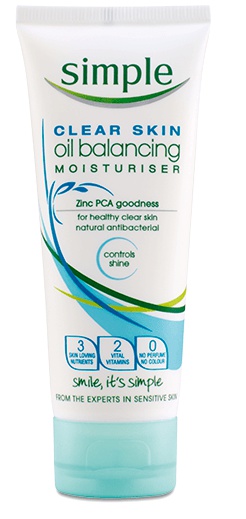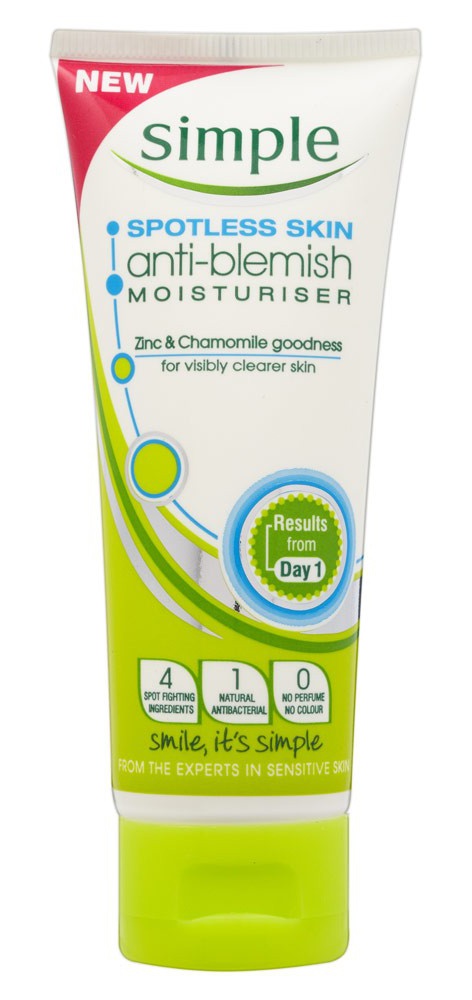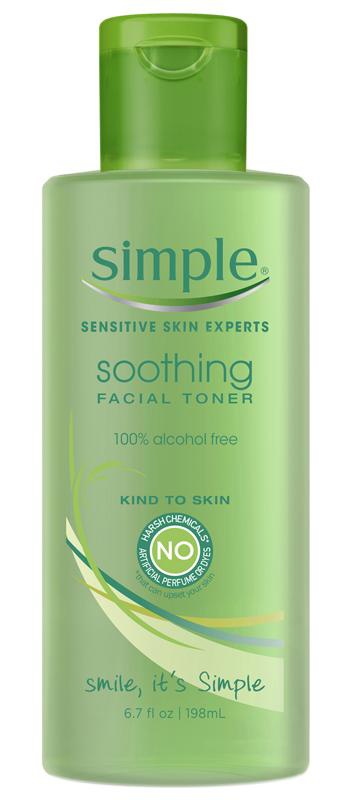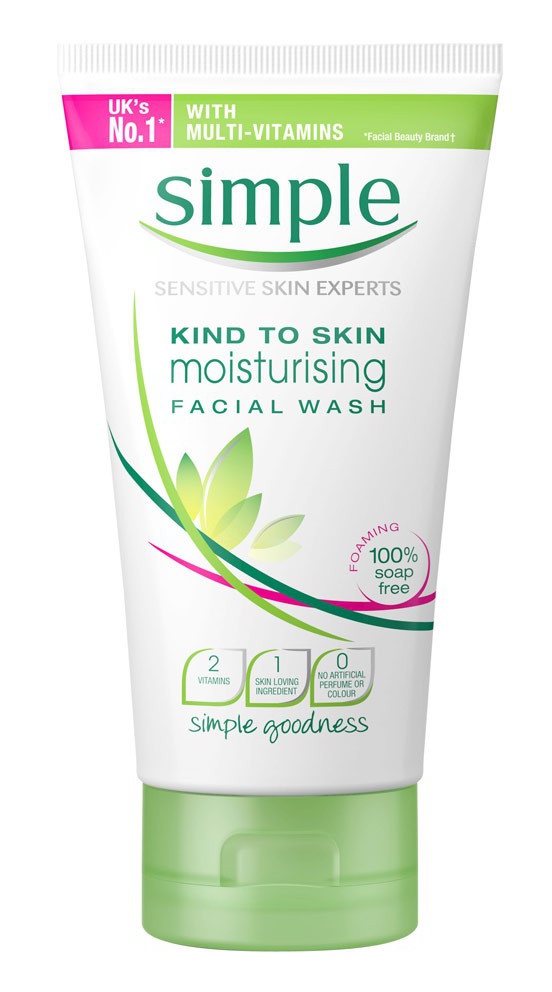
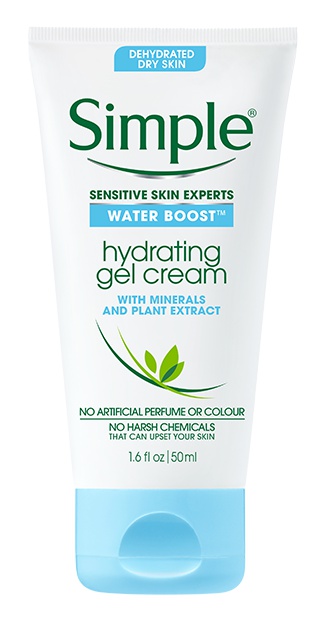
Simple Water Boost Hydrating Gel Cream Face Moisturizer
Simple Water Boost Hydrating Gel Cream Face Moisturizer is a lightweight, refreshing formula designed to quench dehydrated skin without the heavy, greasy feel of traditional creams. As a gel-cream, it strikes the perfect balance between intense hydration and a breathable finish. The formula is anchored by Glycerin, a powerful humectant that draws moisture into the skin, and Pentylene Glycol, which helps maintain a soft, smooth texture. Dimethicone provides a silky application, sealing in moisture without the risk of congestion. True to the Simple brand philosophy, this moisturizer is free from harsh chemicals, artificial perfumes, and dyes, making it an excellent choice for those with reactive or easily irritated skin. It absorbs almost instantly, leaving the skin feeling supple and revitalized. If you are looking for a daily moisturizer that delivers long-lasting hydration while maintaining a clear complexion, this gel-cream is a standout option in the drugstore category that prioritizes skin health and barrier support.
Our Analysis
Our analysis of the Simple Water Boost Hydrating Gel Cream reveals a highly favorable profile for anyone prone to breakouts. With a 'LOW' comedogenic risk level and zero flagged ingredients, this product is effectively acne-safe. The formula avoids common pore-cloggers like isopropyl myristate or heavy waxes, relying instead on lightweight humectants and skin-smoothing silicones that allow the skin to breathe. Because it lacks any known irritants or comedogenic triggers, it serves as a reliable hydration layer that won't contribute to acne or congestion, making it a safe staple for a clear-skin routine.
Skin Type Recommendations
This moisturizer is best for oily, combination, and acne-prone skin types due to its lightweight gel-cream texture. Its gentle, fragrance-free formula also makes it excellent for sensitive skin. Those with extremely dry skin may find it too light and might need to layer it under a richer occlusive during winter.
Flagged Ingredients
This product does not contain known high-risk comedogenic ingredients.
MACR Analysis
5-Axis AI-Powered Risk Assessment
Recommendations
This serum may be suitable for normal to combination skin seeking hydration and texture improvement, but caution is advised for those with sensitive, dry, or highly acne-prone skin.
Normal skin, Combination skin, Oily skin (monitor for clogged pores)
Sensitive skin, Dry skin, Acne-prone skin (especially cystic or inflammatory acne)
Skin with compromised barrier, Individuals with known sensitivity to preservatives or PEGs
- •Perform a patch test on a small area before applying to the entire face.
- •If irritation occurs, reduce frequency of use or discontinue.
- •Ensure the rest of your routine is gentle and focuses on barrier support.
Overall Risk Score
Lower is better
Score by Skin Type
Lower is better
Same product, different risks based on your skin type
This leave-on serum presents a moderate overall comedogenic risk, primarily driven by the presence of multiple penetration enhancers and film-forming ingredients. While fungal acne risk is low, potential for barrier disruption and irritation is present, making it less ideal for highly sensitive or compromised skin.
Risk Breakdown
Ingredient Interactions
These ingredients may interact to increase risk beyond their individual scores.
The combination of two penetration enhancers at the top of the ingredient list significantly increases the risk of driving other ingredients deeper into the skin, potentially causing irritation and barrier compromise.
Both Pentylene Glycol and Butylene Glycol are known to enhance the penetration of other ingredients by disrupting the lipid bilayer of the stratum corneum. When used together, their effects can be additive or synergistic, leading to increased absorption and potential for irritation or reactive breakouts.
These ingredients, while common, can collectively contribute to barrier disruption and irritation, especially in formulations containing other potentially sensitizing ingredients.
Phenoxyethanol and Caprylyl Glycol can both contribute to a weakened skin barrier by affecting lipid structure and increasing trans-epidermal water loss. This can make the skin more susceptible to irritation from other ingredients in the formulation.
Why This Score?
The overall score is a weighted sum of risks across five axes. Penetration enhancers like Pentylene Glycol and Butylene Glycol at high concentrations significantly contribute to Barrier Risk (BR). Dimethicone, being a top-tier ingredient, adds a minor Plugging Risk (PR). The presence of BHT introduces Oxidation Risk (OR), and the lower concentration of Lactic Acid contributes to BR. User-Reported (UR) risk is low due to the absence of commonly flagged ingredients.
Main factors:
- •Barrier Risk (BR)
- •Penetration Enhancers
- •Film-Forming Ingredients
Reducing factors:
- •Low Fungal Risk (FR) due to absence of problematic oils/esters.
- •Low User-Reported (UR) risk due to the absence of highly flagged ingredients.
- •Low concentration of Lactic Acid.
Skin Type Considerations
This analysis uses the Multi-Axis Comedogenic Risk (MACR) system. Results are AI-estimated and cannot account for actual ingredient concentrations. Individual reactions may vary. Consult a dermatologist for personalized advice.