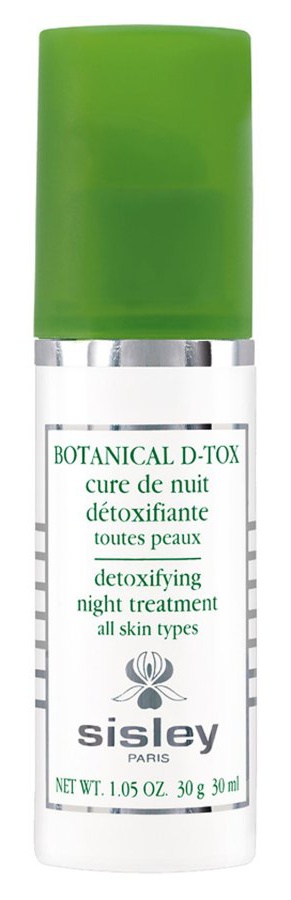
Sisley Botanical D-Tox Detoxifying Night Treatment
Sisley Botanical D-Tox Detoxifying Night Treatment is a premium, intensive one-month program designed to refresh and revitalize tired, dull skin during its peak regeneration phase. Formulated by the luxury French brand Sisley, this night treatment focuses on combating signs of fatigue caused by stress or environmental pollutants. The formula is anchored by Helianthus Annuus (Sunflower) Seed Oil, which is rich in linoleic acid to support the skin barrier, and Glycerin for essential hydration. Its texture is sophisticated and lightweight, utilizing Caprylyl Methicone to ensure a silky, smooth application that absorbs quickly without a heavy or tacky residue. Unlike aggressive detox products, this botanical blend aims to boost the skin’s natural defenses and improve overall radiance. For users managing acne-prone skin, the formulation is thoughtfully balanced, providing nourishment while maintaining a breathable feel. By morning, the complexion appears more rested, smooth, and uniform, making it an excellent choice for those seeking a complexion 'reset' without the fear of heavy congesting waxes.
Our Analysis
Our deep-dive ingredient analysis of the Sisley Botanical D-Tox reveals a Low comedogenic risk level. The formula is primarily composed of water, light emollients, and humectants. The only flagged ingredient is Tocopherol (Vitamin E), which holds a comedogenic rating of 2 out of 5. In its pure oil form, Vitamin E can be thick and potentially pore-clogging for those with extremely reactive skin; however, in this botanical formulation, it likely serves as an antioxidant to protect the product and the skin. For the vast majority of users, this ingredient profile is unlikely to trigger breakouts or congestion.
Skin Type Recommendations
This treatment is ideal for dry, dehydrated, and combination skin types needing a radiance boost. Because it has a low comedogenic rating, it is generally safe for acne-prone individuals. However, those with very oily skin or active cystic acne should monitor how their skin responds to the sunflower seed oil base.
Flagged Ingredients
Pure Vitamin E is thick and sticky; safe in small amounts as an antioxidant, but potentially clogging in pure oil form.
Want Deeper Analysis?
Run our MACR (Multi-Axis Comedogenic Risk) analysis to get a comprehensive 5-axis risk assessment. This AI-powered analysis evaluates ingredients for Plugging Risk, Barrier Damage, Fungal Acne Risk, Oxidation Risk, and real-world User Reports — giving you personalized scores for your skin type.