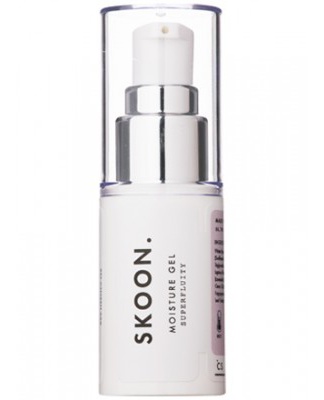
SKOON. Skincare Superfluity Moisture Gel
SKOON. Skincare Superfluity Moisture Gel is designed as a sophisticated, hydrating solution that aims to balance moisture levels with a unique probiotic-infused formula. Featuring a base of Glycerin and Biosaccharide Gum-1, this gel provides immediate humectant benefits to soothe and plump the skin. A key highlight is the inclusion of Lactobacillus Ferment, which works to support the skin’s natural microbiome and strengthen the moisture barrier. While the name suggests a lightweight 'superfluity' of moisture, the formula actually contains a blend of rich emollients intended to seal in hydration. The texture starts as a refreshing gel but leaves a protective finish on the skin thanks to ingredients like Glyceryl Stearate Citrate. However, beneath the surface of these beneficial probiotics and hydrators lies a heavy oil profile. While it offers deep nourishment for the right user, the presence of specific botanical oils means this moisture gel provides a much more occlusive experience than typical water-based gels, making it a complex choice for those managing various skin concerns.
Our Analysis
Our analysis of SKOON. Skincare Superfluity Moisture Gel reveals a HIGH comedogenic risk level, which is significant for a product marketed as a gel. The primary concern is Wheat Germ Oil, which carries a 5/5 rating; it is one of the most pore-clogging ingredients used in skincare. The formula also contains Hydrogenated Vegetable Oil and Capric/Caprylic Triglyceride, which can create an occlusive film that traps sebum. While the Lactobacillus Ferment is excellent for the skin barrier, these high-risk oils make the product likely to trigger breakouts and congestion in acne-prone individuals.
Skin Type Recommendations
This product is best suited for very dry, dehydrated, or mature skin types that are not prone to acne. It is strongly discouraged for oily, combination, or acne-prone skin due to the high concentration of Wheat Germ Oil. Sensitive skin types should patch test first due to the heavy oil content.
Flagged Ingredients
Extremely high comedogenicity in rabbit ear assays; historically consistent pore-clogger.
Trans-fat texture can be occlusive.
Fractionated coconut oil; removed most clogging long-chain acids but can still affect some.
Pure Vitamin E is thick and sticky; safe in small amounts as an antioxidant, but potentially clogging in pure oil form.
Want Deeper Analysis?
Run our MACR (Multi-Axis Comedogenic Risk) analysis to get a comprehensive 5-axis risk assessment. This AI-powered analysis evaluates ingredients for Plugging Risk, Barrier Damage, Fungal Acne Risk, Oxidation Risk, and real-world User Reports — giving you personalized scores for your skin type.