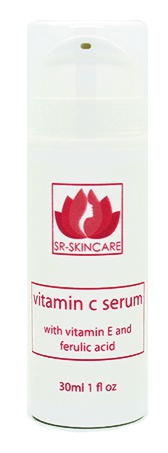
SR-Skincare 10% Vitamin C Serum
The SR-Skincare 10% Vitamin C Serum is a targeted antioxidant treatment designed to brighten the complexion and defend against environmental stressors. Formulated with L-Ascorbic Acid, the gold standard of Vitamin C, this serum focuses on reducing the appearance of hyperpigmentation and fine lines while promoting a more radiant skin tone. Unlike many water-based serums that can feel stripping, this formula incorporates skin-conditioning agents like Methylpropanediol and Caprylyl Glycol to ensure a smooth, hydrated application. It also features nourishing botanical oils, including Evening Primrose and Apricot Kernel oil, which provide essential fatty acids to support the skin barrier. The texture is more substantial than a typical liquid, offering a moisturizing feel that helps buffer the potency of the active Vitamin C. While these additions make the serum more comfortable for those with dry or mature skin, they significantly impact the product's suitability for those prone to congestion. It is an effective solution for users seeking the anti-aging benefits of Vitamin C paired with a boost of surface hydration.
Our Analysis
Our analysis flags the SR-Skincare 10% Vitamin C Serum with a HIGH comedogenic risk. While the base starts with safe solvents, the formula contains several ingredients that can trigger breakouts. Apricot Kernel Oil and Evening Primrose Oil both carry a rating of 2, which can be problematic for congestion-prone skin. Furthermore, the combination of fatty alcohols like Cetearyl Alcohol and Cetyl Alcohol, along with Tocopherol (Vitamin E), creates a rich emollient profile that may lead to clogged pores. These ingredients are often used to stabilize the serum but pose a risk for users with active acne.
Skin Type Recommendations
This serum is best suited for dry, normal, or mature skin types that need antioxidant protection and brightening. However, we strongly advise those with oily, combination, or acne-prone skin to exercise caution. The multiple 2-rated comedogenic oils and fatty alcohols make this product likely to cause congestion in pore-clogging prone individuals.
Flagged Ingredients
Similar to Almond oil; moderate Oleic acid content.
Fatty alcohol emollient with low-moderate comedogenicity on its own. However, when combined with Ceteareth-20, the synergistic effect can significantly increase pore-clogging potential (combined rating of 4).
High in GLA (gamma-linolenic acid); good for hormonal acne, low clog risk.
A fatty alcohol (emollient) that is generally safe, but can be problematic for very sensitive individuals.
Pure Vitamin E is thick and sticky; safe in small amounts as an antioxidant, but potentially clogging in pure oil form.
Want Deeper Analysis?
Run our MACR (Multi-Axis Comedogenic Risk) analysis to get a comprehensive 5-axis risk assessment. This AI-powered analysis evaluates ingredients for Plugging Risk, Barrier Damage, Fungal Acne Risk, Oxidation Risk, and real-world User Reports — giving you personalized scores for your skin type.