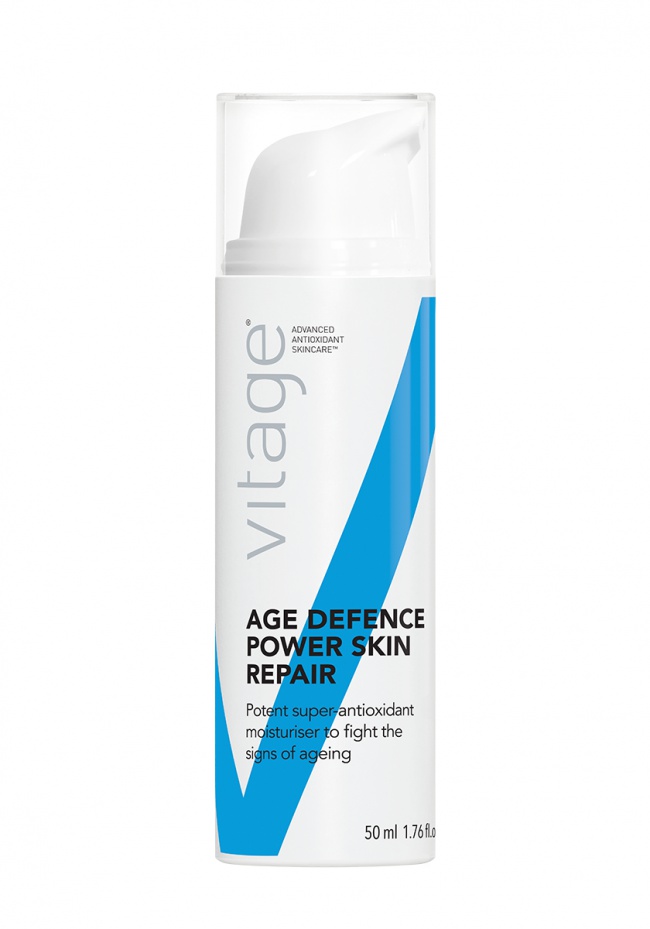
Vitage Age Defence Power Skin Repair
Vitage Age Defence Power Skin Repair is a specialized moisturizer designed to support skin recovery and combat the visible signs of aging. Formulated with key beneficial ingredients like Rosa Canina Fruit Oil (Rosehip Oil) and Glycerin, this cream focuses on restoring the skin's moisture barrier while providing essential antioxidant protection. The texture is rich and emollient, thanks to a base of Caprylic/Capric Triglyceride and Cetyl Alcohol, which helps to lock in hydration and leave the skin feeling supple. While it aims to defend against environmental stressors and improve skin resilience, the inclusion of certain marine extracts and fatty acids requires a closer look for those with specific skin concerns. This Vitage repair cream is intended for those seeking intensive hydration and age-management benefits, but its complex ingredient profile means it may behave differently depending on your skin's unique sensitivity and oil production levels.
Our Analysis
Our analysis of Vitage Age Defence Power Skin Repair reveals a HIGH comedogenic risk level, primarily due to the inclusion of Algae Extract. Rated at a 5/5 on the comedogenic scale, Algae Extract is rich in iodides that can irritate the pore lining and trigger micro-comedones and inflammation. The formula also contains Caprylic/Capric Triglyceride, Cetyl Alcohol, and Stearic Acid. While these are common emollients used to create a smooth texture, they can be problematic for individuals sensitive to coconut derivatives or fatty alcohols, potentially leading to congestion in acne-prone skin.
Skin Type Recommendations
This product is best for very dry or mature skin types that require heavy lipid replenishment. However, it is NOT recommended for oily, combination, or acne-prone skin. The high concentration of Algae Extract makes it a high-risk choice for anyone prone to breakouts or clogged pores.
Flagged Ingredients
Rich in iodides which irritate the pore lining, triggering inflammation and micro-comedones.
Fractionated coconut oil; removed most clogging long-chain acids but can still affect some.
A fatty alcohol (emollient) that is generally safe, but can be problematic for very sensitive individuals.
Found in many butters; thickening agent with low-moderate risk.
Want Deeper Analysis?
Run our MACR (Multi-Axis Comedogenic Risk) analysis to get a comprehensive 5-axis risk assessment. This AI-powered analysis evaluates ingredients for Plugging Risk, Barrier Damage, Fungal Acne Risk, Oxidation Risk, and real-world User Reports — giving you personalized scores for your skin type.