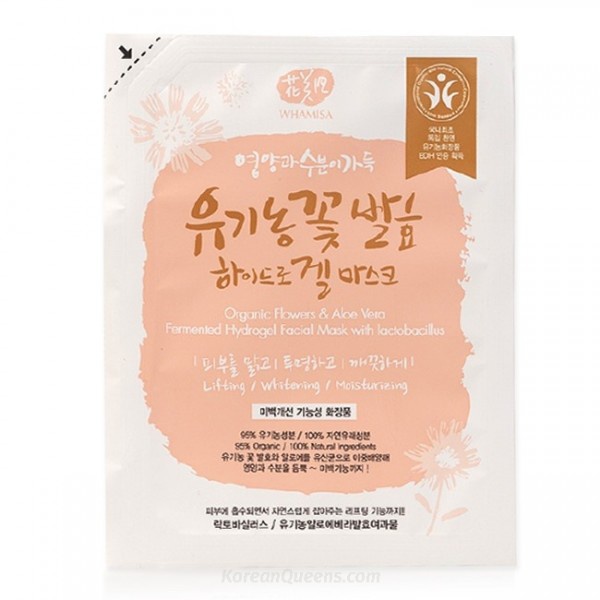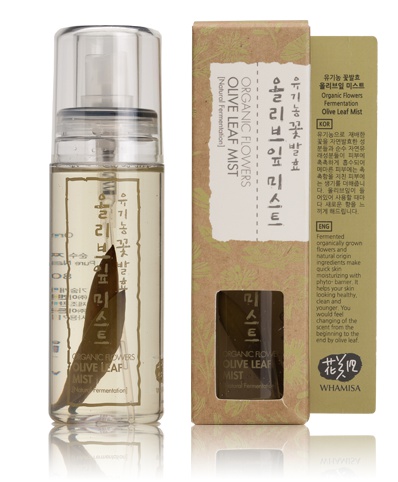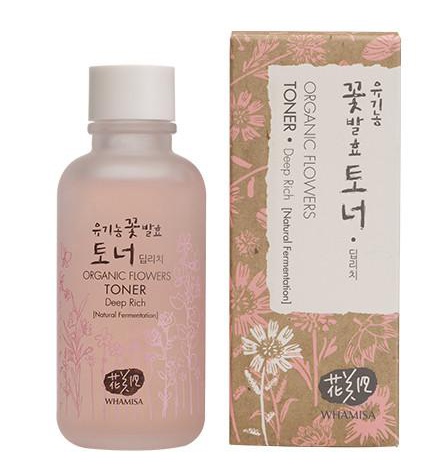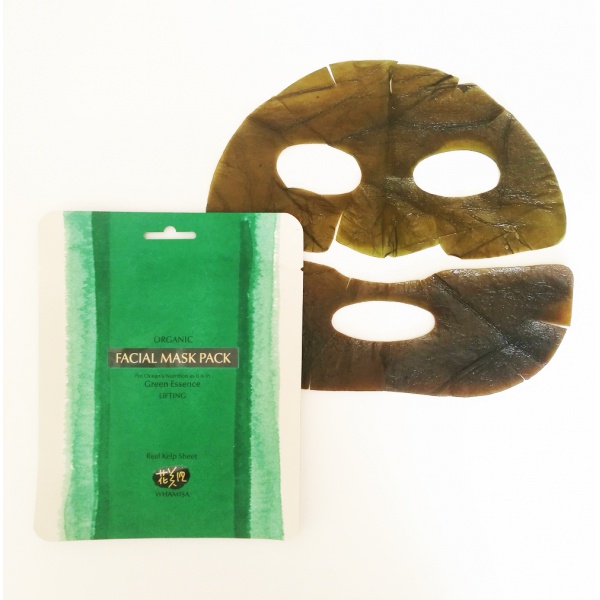
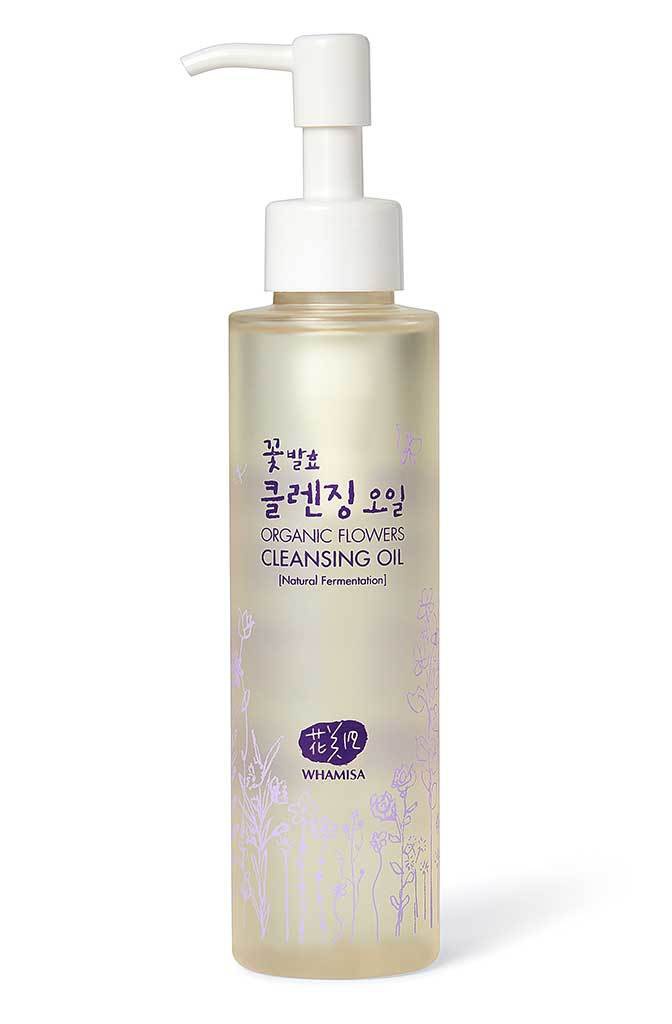
Whamisa Organic Flowers Cleansing Oil
Whamisa Organic Flowers Cleansing Oil is a cult-favorite K-beauty staple that offers a unique, waterless approach to the first step of your double cleansing routine. This formula uses a base of organic botanical oils, including Corylus Avellana (Hazel) Seed Oil and Camellia Japonica Seed Oil, to effectively dissolve stubborn makeup, SPF, and daily impurities without stripping the skin's natural moisture barrier. The texture is a luxurious, silky liquid that provides excellent slip, minimizing friction during massage. Upon contact with water, it transforms into a light, milky emulsion that rinses away easily, leaving the skin feeling nourished and supple rather than greasy. Whamisa's signature fermentation process further enhances the potency of the flower extracts, providing a boost of antioxidants. While it offers an incredibly gentle and deep clean, the inclusion of rich botanical lipids makes it important for those with specific pore-clogging concerns to examine the ingredient profile closely. It is a sophisticated choice for anyone looking for a clean, organic cleansing experience that prioritizes skin health and hydration.
Our Analysis
Our analysis of the Whamisa Organic Flowers Cleansing Oil reveals a 'Low' comedogenic risk level, making it generally safe for many users. However, we have flagged two ingredients that warrant caution for those with highly reactive or acne-prone skin. Caprylic/capric triglyceride and avocado oil both carry a 2/5 comedogenic rating. While caprylic/capric triglyceride is a processed coconut derivative that is safer than raw coconut oil, it can still trigger sensitivity in some. Avocado oil is a rich, heavy lipid that provides excellent nourishment but may be too dense for those prone to congestion or oily skin types.
Skin Type Recommendations
This cleansing oil is best suited for dry, normal, and mature skin types that benefit from its rich, emollient plant oils. Those with very oily or cystic acne-prone skin should use it with caution, as the avocado oil and coconut-derived triglycerides may be slightly too heavy for their pore structure.
Flagged Ingredients
Fractionated coconut oil; removed most clogging long-chain acids but can still affect some.
Rich and heavy oil; excellent for dry skin but can be too heavy for very oily skin types.
Want Deeper Analysis?
Run our MACR (Multi-Axis Comedogenic Risk) analysis to get a comprehensive 5-axis risk assessment. This AI-powered analysis evaluates ingredients for Plugging Risk, Barrier Damage, Fungal Acne Risk, Oxidation Risk, and real-world User Reports — giving you personalized scores for your skin type.