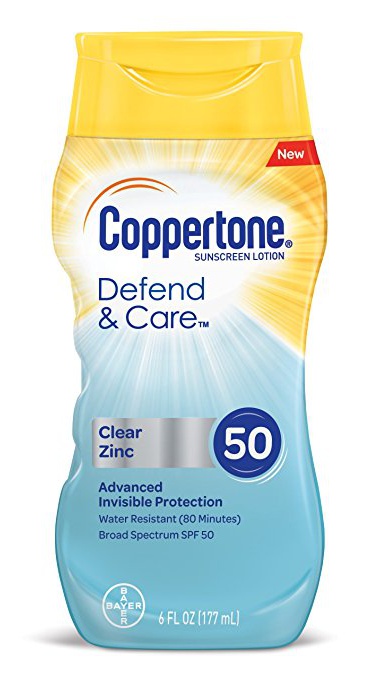
Coppertone Defend And Care Clear Zinc Spf 50
Coppertone Defend And Care Clear Zinc SPF 50 is a hybrid sunscreen designed to provide robust broad-spectrum protection while utilizing the physical benefits of zinc oxide without the heavy white cast often associated with traditional mineral formulas. This sunscreen combines chemical filters like Octinoxate and Octisalate with 9.7% Zinc Oxide to shield the skin from both UVA and UVB rays effectively. The inclusion of Dicaprylyl Ether as a primary emollient helps the product glide onto the skin smoothly, providing a moisturizing yet relatively lightweight finish. While it is marketed as a 'clear' zinc option, the texture remains creamy and emollient, making it a functional choice for those seeking a protective barrier against environmental stressors. It aims to balance the high-performance sun protection Coppertone is known for with a more modern, cosmetically elegant feel. However, those with specific skin concerns should note the presence of surfactants and waxes used to maintain the formula's water resistance and consistency.
Our Analysis
Our analysis of Coppertone Defend And Care Clear Zinc SPF 50 reveals a MODERATE comedogenic risk level. The primary concern is the inclusion of Laureth-4, which carries a maximum rating of 5/5; this oxidative surfactant is known to contribute to the formation of inflammatory comedones. Additionally, the formula contains Cetearyl Alcohol and Beeswax. While Beeswax is a natural barrier-former, it can trap other comedogenic ingredients against the skin, potentially increasing the likelihood of breakouts. Due to these specific ingredients, this product may not be the safest choice for users actively managing acne-prone skin.
Skin Type Recommendations
This sunscreen is best suited for dry to normal skin types that benefit from an emollient, protective barrier. However, it is not recommended for oily, congested, or acne-prone skin. The presence of high-risk ingredients like Laureth-4 makes it likely to cause breakouts or worsen existing pore-clogging issues.
Flagged Ingredients
Oxidative surfactant creating inflammatory comedones.
Fatty alcohol emollient with low-moderate comedogenicity on its own. However, when combined with Ceteareth-20, the synergistic effect can significantly increase pore-clogging potential (combined rating of 4).
Forms a breathable barrier; rarely clogs pores directly but can trap other comedogenic ingredients underneath it.
Want Deeper Analysis?
Run our MACR (Multi-Axis Comedogenic Risk) analysis to get a comprehensive 5-axis risk assessment. This AI-powered analysis evaluates ingredients for Plugging Risk, Barrier Damage, Fungal Acne Risk, Oxidation Risk, and real-world User Reports — giving you personalized scores for your skin type.