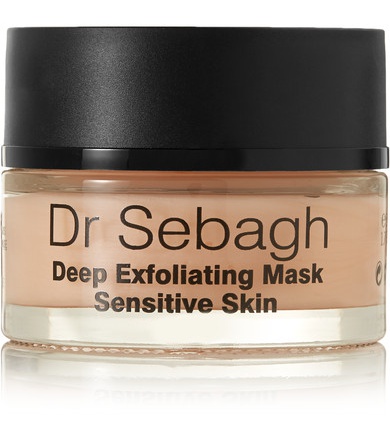
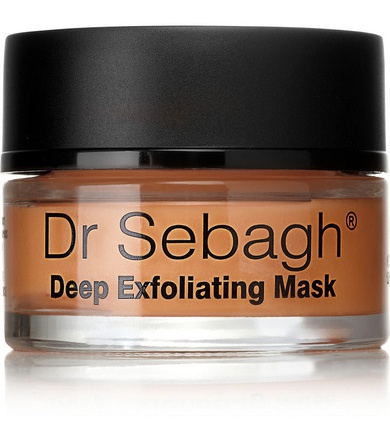
Dr Sebagh Deep Exfoliating Mask
The Dr Sebagh Deep Exfoliating Mask is a high-potency resurfacing treatment designed to brighten the complexion and refine skin texture. Formulated by the renowned 'King of Botox,' this mask relies on a powerful blend of chemical exfoliants. The inclusion of Azelaic Acid helps to target redness and hyperpigmentation, while Glycolic Acid works to dissolve the bonds between dead skin cells, revealing a smoother, more radiant surface. Lysine, an amino acid, supports skin health during the exfoliation process. In terms of texture, the formula uses a Sodium Acrylate copolymer to provide a stable, spreadable consistency that adheres well to the skin during the treatment period. While it promises a professional-grade 'at-home facial' experience that addresses dullness and uneven tone, its formulation includes several heavy emollients. While these provide a luxurious feel, users should be aware of how these ingredients interact with their specific skin concerns. This mask is often praised for its ability to provide an immediate glow, but the underlying ingredient profile suggests it may not be suitable for everyone, particularly those prone to congestion.
Our Analysis
Our analysis of the Dr Sebagh Deep Exfoliating Mask reveals a high comedogenic risk, which is concerning for a product meant to 'deeply' exfoliate. Despite the presence of beneficial acids, the formula contains heavy pore-cloggers like Polyglyceryl-3 diisostearate and Acetylated lanolin (both rated 4/5), which can form a suffocating film on the skin. Furthermore, Cetyl acetate is a known irritant for acne-prone individuals. While Cetearyl alcohol has a lower rating of 2/5, its presence in complex formulations often increases the potential for congestion. These ingredients significantly counteract the benefits of the exfoliating acids for those with active acne.
Skin Type Recommendations
This mask is best suited for mature or very dry, non-acne-prone skin looking for intensive resurfacing. However, we strongly advise those with oily, combination, or acne-prone skin to avoid it. The high concentration of comedogenic waxes and esters poses a significant risk of triggering whiteheads and localized congestion.
Flagged Ingredients
Heavy emollient that can form a suffocating film on the skin.
Acetylated fatty alcohol known to be significantly comedogenic.
Modified sheep wax; more penetrating and clogging than pure lanolin.
Fatty alcohol emollient with low-moderate comedogenicity on its own. However, when combined with Ceteareth-20, the synergistic effect can significantly increase pore-clogging potential (combined rating of 4).
Want Deeper Analysis?
Run our MACR (Multi-Axis Comedogenic Risk) analysis to get a comprehensive 5-axis risk assessment. This AI-powered analysis evaluates ingredients for Plugging Risk, Barrier Damage, Fungal Acne Risk, Oxidation Risk, and real-world User Reports — giving you personalized scores for your skin type.