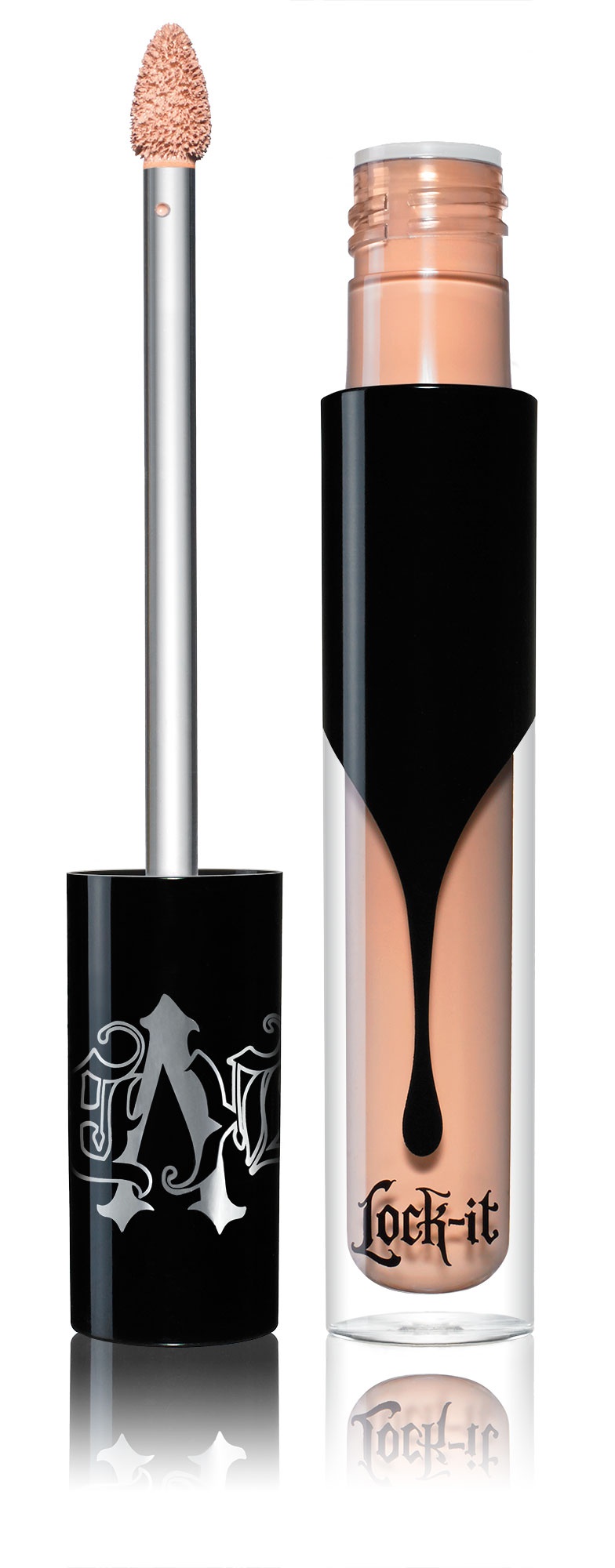
Kat Von D Lock-It Concealer Creme
Kat Von D Lock-It Concealer Creme is a high-pigment, full-coverage formula designed to camouflage everything from dark circles to blemishes with a long-wearing finish. The texture is famously creamy and blendable, utilizing silicones like Dimethicone and Trimethylsiloxysilicate to ensure the product grips the skin and resists water throughout the day. While it delivers an industrial-strength cover, the formula also incorporates skin-conditioning agents like Butylene Glycol to prevent the product from looking overly cakey or dry. This concealer is a favorite for those who need high-performance makeup that stays put, though its rich ingredient profile requires a closer look for those managing active breakouts. It balances heavy-duty coverage with a smooth, velvety feel, making it a staple for full-glam looks and targeted corrections alike.
Our Analysis
Our analysis of the Kat Von D Lock-It Concealer Creme identifies a moderate comedogenic risk level. The formula contains Capric/caprylic triglyceride, a refined coconut oil derivative that can still trigger congestion in some users. We also flagged Stearic acid, a common thickener that carries a low-to-moderate risk of clogging pores. Finally, Tocopherol (Vitamin E) is present; while excellent as an antioxidant, its oily nature can be problematic for those with highly reactive, acne-prone skin. If you are prone to closed comedones, these specific ingredients may contribute to localized breakouts with frequent use.
Skin Type Recommendations
This concealer is best for normal, combination, and dry skin types seeking maximum coverage. Due to its moderate comedogenic rating, those with oily or severely acne-prone skin should use it cautiously. It is generally safe for sensitive skin, provided you are not reactive to coconut-derived emollients or stearic acid.
Flagged Ingredients
Fractionated coconut oil; removed most clogging long-chain acids but can still affect some.
Found in many butters; thickening agent with low-moderate risk.
Pure Vitamin E is thick and sticky; safe in small amounts as an antioxidant, but potentially clogging in pure oil form.
Want Deeper Analysis?
Run our MACR (Multi-Axis Comedogenic Risk) analysis to get a comprehensive 5-axis risk assessment. This AI-powered analysis evaluates ingredients for Plugging Risk, Barrier Damage, Fungal Acne Risk, Oxidation Risk, and real-world User Reports — giving you personalized scores for your skin type.