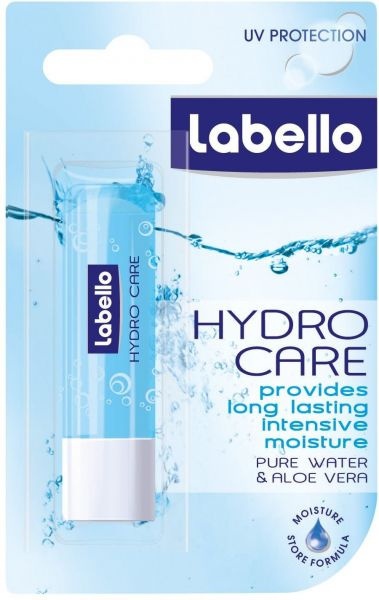
Labello Hydro Care
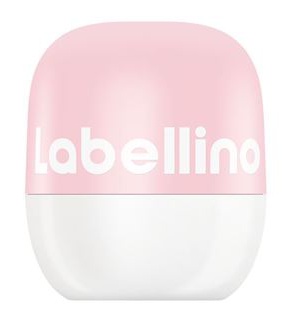
Labello Hydro Care is a popular lip balm formulated to provide weightless hydration and a refreshing sensation for dry lips. The product features a blend of emollients like octyldodecanol and Ricinus Communis (Castor) seed oil, which work together to soften the skin and prevent moisture loss. The texture is designed to be non-greasy and fast-absorbing, utilizing Cera Microcristallina to create a smooth, protective barrier against the elements. While the 'Hydro' branding suggests a light touch, the formula relies on a variety of waxes and esters to lock in moisture effectively. For those with severely chapped lips, these ingredients provide necessary occlusive protection. However, because lip products often migrate to the surrounding skin, the heavy-duty nature of this formula is worth noting. Labello Hydro Care aims to balance a watery-light feel with deep emollient action, making it a staple for many daily routines, though its ingredient profile reveals a more complex interaction with the skin's pores than the lightweight texture might suggest.
Our Analysis
Our analysis classifies Labello Hydro Care as having a HIGH comedogenic risk. The most significant concern is Myristyl Myristate, which carries a maximum 5/5 rating; this waxy ester is highly occlusive and notorious for clogging pores. The formula also contains Polyglyceryl-3 diisostearate (4/5), a heavy emollient that can form a suffocating film on the skin. While ingredients like beeswax and capric/caprylic triglyceride are less problematic on their own, their combination with high-rated esters creates a formula that is likely to trigger breakouts or blackheads around the lip line for sensitive individuals.
Skin Type Recommendations
Labello Hydro Care is best for individuals with chronically dry lips who are not prone to acne. It is not recommended for oily or acne-prone skin types, particularly those who experience perioral dermatitis or breakouts around the mouth, due to the high concentration of pore-clogging waxy esters.
Flagged Ingredients
Waxy ester that is highly occlusive and difficult for skin to break down.
Heavy emollient that can form a suffocating film on the skin.
Fractionated coconut oil; removed most clogging long-chain acids but can still affect some.
Fatty alcohol emollient with low-moderate comedogenicity on its own. However, when combined with Ceteareth-20, the synergistic effect can significantly increase pore-clogging potential (combined rating of 4).
Forms a breathable barrier; rarely clogs pores directly but can trap other comedogenic ingredients underneath it.
Want Deeper Analysis?
Run our MACR (Multi-Axis Comedogenic Risk) analysis to get a comprehensive 5-axis risk assessment. This AI-powered analysis evaluates ingredients for Plugging Risk, Barrier Damage, Fungal Acne Risk, Oxidation Risk, and real-world User Reports — giving you personalized scores for your skin type.