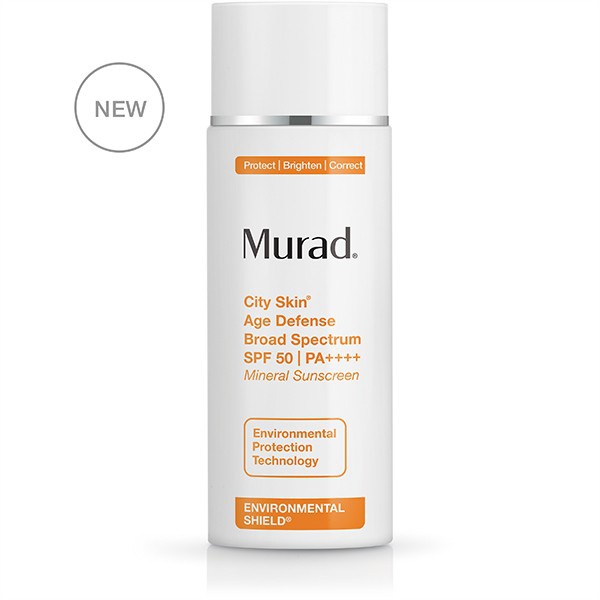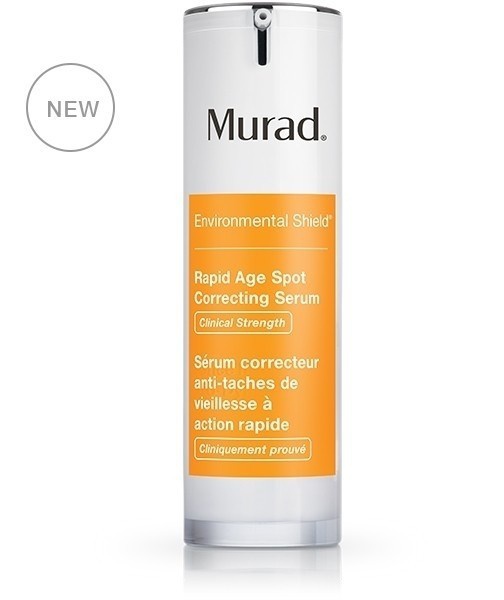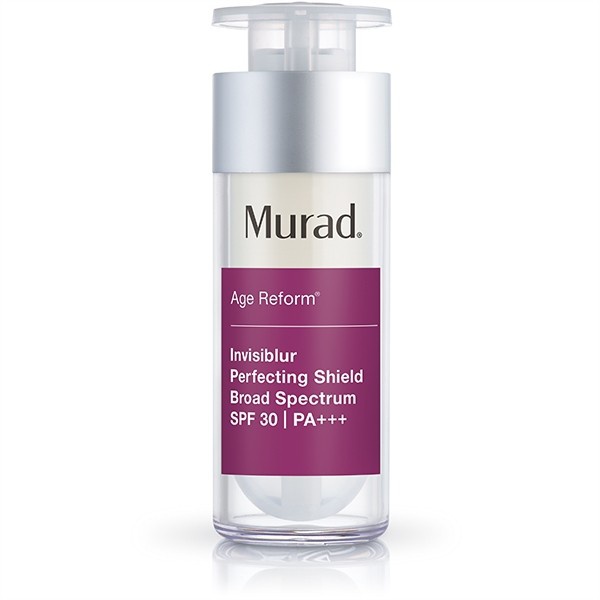
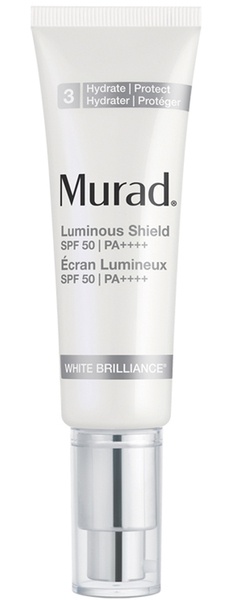
Murad Luminous Shield Spf 50
Murad Luminous Shield SPF 50 is a high-protection sunscreen designed to defend the skin against UV damage while promoting a radiant, lit-from-within glow. As a premium product from Murad, it utilizes a blend of chemical filters including Ethylhexyl Methoxycinnamate and Octocrylene to provide broad-spectrum coverage without the heavy white cast often found in mineral formulas. The inclusion of Glycerin high in the ingredient list ensures that the skin remains hydrated and plump throughout the day, making it an excellent base for makeup. Its texture is designed to be silky and light, providing a luminous finish that addresses dullness. However, users should look beyond the glow to understand how the emollients interact with their specific skin concerns. While it offers robust defense against photoaging and environmental stressors, the formulation includes specific fatty acids and oils that contribute to its elegant feel but may impact those with sensitive or reactive pores. It is a sophisticated SPF choice for those prioritizing radiance alongside sun safety.
Our Analysis
Our analysis of the Murad Luminous Shield SPF 50 indicates a moderate comedogenic risk level. The most concerning ingredient is Oleic Acid, which carries a high rating of 4/5 due to its ability to disrupt the skin barrier and induce pore blockages. We also flagged Capric/Caprylic Triglyceride and Tocopherol (Vitamin E), both rated 2/5. While these are common emollients, their presence alongside Oleic Acid suggests that this product may cause congestion for users with highly reactive or acne-prone skin. The formula balances hydration with protection, but the lipid profile requires caution.
Skin Type Recommendations
This product is best suited for dry, dehydrated, or mature skin types that benefit from the added moisture and luminous finish. It is not recommended for oily or acne-prone skin due to the moderate risk of clogging pores. Sensitive skin types should patch test first to ensure barrier compatibility.
Flagged Ingredients
Disrupts skin barrier function and induces pore blockage.
Fractionated coconut oil; removed most clogging long-chain acids but can still affect some.
Pure Vitamin E is thick and sticky; safe in small amounts as an antioxidant, but potentially clogging in pure oil form.
Want Deeper Analysis?
Run our MACR (Multi-Axis Comedogenic Risk) analysis to get a comprehensive 5-axis risk assessment. This AI-powered analysis evaluates ingredients for Plugging Risk, Barrier Damage, Fungal Acne Risk, Oxidation Risk, and real-world User Reports — giving you personalized scores for your skin type.