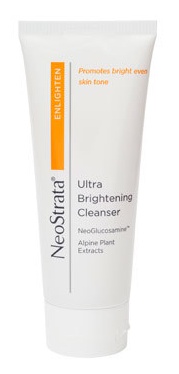
Neostrata Enlighten Ultra Brightening Cleanser
The Neostrata Enlighten Ultra Brightening Cleanser is a sophisticated cream-to-foam wash designed to gently exfoliate and prep the skin for a brighter, more even complexion. Formulated by the pioneers of AHA technology, this cleanser features Acetyl Glucosamine, a non-acid amino sugar that helps diminish the appearance of dark spots and uneven skin tone while effectively removing oil and impurities. Its texture is luxurious and non-stripping, utilizing mild surfactants like Disodium Lauroamphodiacetate to cleanse without compromising the skin's natural moisture barrier. While it is marketed as a brightening powerhouse, those with sensitive or reactive skin will appreciate the soap-free formulation. However, for users focusing specifically on acne prevention, the ingredient list requires a closer look. This product fits best into an anti-aging or brightening routine where skin texture and pigmentation are the primary concerns. It leaves the skin feeling refreshed, smooth, and ready for targeted treatments, though individuals with highly congestion-prone skin should weigh the benefits against specific surfactant choices used in the formula to ensure their pores remain clear.
Our Analysis
Our analysis of the Neostrata Enlighten Ultra Brightening Cleanser reveals a Moderate comedogenic risk level. The primary concern is Laureth-4, which carries a high comedogenic rating of 5/5. This oxidative surfactant is known to potentially create inflammatory comedones, even in wash-off products. Additionally, the formula contains Capric/caprylic triglyceride (Rating 2/5). While this is a common emollient derived from coconut oil that has had most clogging fatty acids removed, it can still trigger breakouts in highly sensitive or acne-prone individuals. Those with clear skin may tolerate it well, but active acne sufferers should proceed with caution.
Skin Type Recommendations
This cleanser is best suited for normal, dry, or combination skin types focusing on hyperpigmentation and dullness. However, we do not recommend it for oily or severely acne-prone skin due to the presence of Laureth-4. Sensitive skin types should patch test first to ensure the surfactants do not cause irritation.
Flagged Ingredients
Oxidative surfactant creating inflammatory comedones.
Fractionated coconut oil; removed most clogging long-chain acids but can still affect some.
Want Deeper Analysis?
Run our MACR (Multi-Axis Comedogenic Risk) analysis to get a comprehensive 5-axis risk assessment. This AI-powered analysis evaluates ingredients for Plugging Risk, Barrier Damage, Fungal Acne Risk, Oxidation Risk, and real-world User Reports — giving you personalized scores for your skin type.