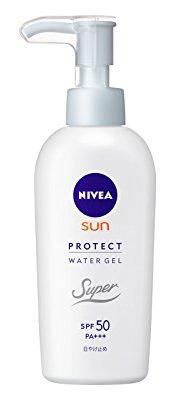
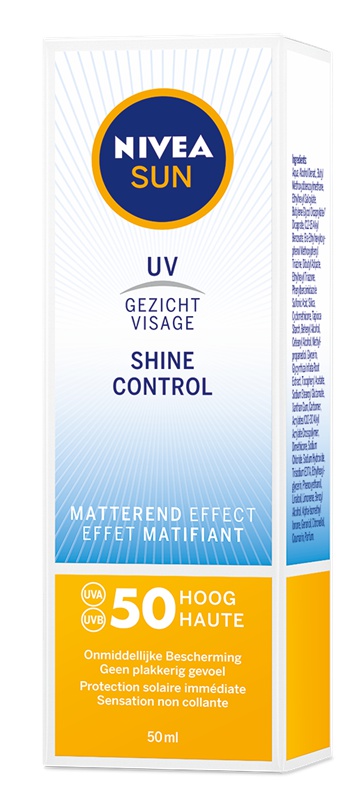
Nivea Sun Shine Control Spf 50
Nivea Sun Shine Control Spf 50 is a high-protection facial sunscreen specifically formulated to address the needs of those who find traditional sunscreens too greasy or heavy. This product leverages a sophisticated blend of chemical UV filters, including Homosalate, Butyl Methoxydibenzoylmethane (Avobenzone), and Ethylhexyl Salicylate, to provide robust broad-spectrum protection against both UVA and UVB rays. As the name suggests, the formula is engineered with an instant absorption technology that targets excess oil on the skin's surface, resulting in a long-lasting matte finish. This makes it an excellent base for makeup or for daily wear in humid climates. The texture is lightweight and fluid, moving away from the thick, pasty consistency often associated with high-SPF products. By combining sun safety with an aesthetically pleasing finish, Nivea has created a reliable daily essential that protects the skin barrier while ensuring your complexion remains shine-free and comfortable throughout the day.
Our Analysis
Our analysis of the Nivea Sun Shine Control Spf 50 indicates a low overall comedogenic risk level, making it a relatively safe choice for most users. The primary ingredient flagged is Cetearyl Alcohol, a fatty alcohol used to stabilize the emulsion and soften the skin. On its own, it has a low-moderate comedogenic rating of 2/5. While generally well-tolerated, we monitor this ingredient closely because its pore-clogging potential can increase significantly when combined with Ceteareth-20. Since the overall risk remains low here, it is unlikely to cause breakouts for the average user, though those with extreme sensitivities to fatty alcohols should remain cautious.
Skin Type Recommendations
This sunscreen is best suited for oily, combination, and normal skin types that require a matte, non-greasy finish. Its oil-absorbing properties are excellent for managing mid-day shine. While it is generally safe for acne-prone skin due to its low comedogenic rating, individuals with very dry or highly reactive skin should patch test first.
Flagged Ingredients
Fatty alcohol emollient with low-moderate comedogenicity on its own. However, when combined with Ceteareth-20, the synergistic effect can significantly increase pore-clogging potential (combined rating of 4).
Want Deeper Analysis?
Run our MACR (Multi-Axis Comedogenic Risk) analysis to get a comprehensive 5-axis risk assessment. This AI-powered analysis evaluates ingredients for Plugging Risk, Barrier Damage, Fungal Acne Risk, Oxidation Risk, and real-world User Reports — giving you personalized scores for your skin type.