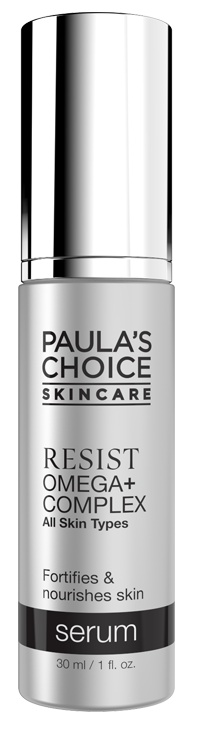
Paula's Choice Resist Omega+ Complex Serum
Paula's Choice Resist Omega+ Complex Serum is marketed as a concentrated 'superfood' for the skin, designed to strengthen the moisture barrier and restore a healthy, resilient glow. This serum features a unique blend of omega fatty acids, including Linum Usitatissimum (Linseed) Seed Oil, which is rich in essential nutrients to soothe redness and combat dehydration. With its lightweight, milky texture, it absorbs quickly while providing a surge of hydration through Glycerin and skin-smoothing emollients like Diheptyl Succinate. While the brand emphasizes its ability to nourish dull and thinning skin, our deep dive into the formulation reveals a complex profile for those with sensitive or reactive skin. The serum aims to provide a plump, supple finish, making it a popular choice for those targeting signs of aging or environmental damage. However, because it contains several rich botanical oils and thickening agents, its suitability varies significantly depending on your specific skin concerns and pore-clogging sensitivities.
Our Analysis
Our analysis classifies this serum as a high comedogenic risk. The formulation contains Oleic Acid and Agar, both of which carry a high rating of 4/5. Oleic acid can disrupt the skin barrier in oily types, leading to potential blockages, while Agar acts as a film-former that may trap sebum. The inclusion of Chia Seed Oil (3/5) and Olive Oil (2/5) further increases the emollient richness, which is beneficial for dryness but problematic for acne-prone skin. Furthermore, the fatty alcohols present can be triggers for those sensitive to thick, lipid-heavy formulations.
Skin Type Recommendations
This serum is ideal for dry, very dry, and mature skin types that require intense lipid replenishment. However, it is poorly suited for oily, combination, or acne-prone skin. Due to the high-rated comedogenic ingredients like Oleic Acid and Agar, it is likely to cause congestion or breakouts in those with large pores.
Flagged Ingredients
Disrupts skin barrier function and induces pore blockage.
Derived from algae; retains some iodides and film-forming clogging properties.
High Omega-3s but can oxidize quickly; moderate risk for oily skin.
High Oleic Acid content (similar to sebum); generally safe but can exacerbate fungal acne (Malassezia).
Pure Vitamin E is thick and sticky; safe in small amounts as an antioxidant, but potentially clogging in pure oil form.
A fatty alcohol (emollient) that is generally safe, but can be problematic for very sensitive individuals.
Fatty alcohol emollient with low-moderate comedogenicity on its own. However, when combined with Ceteareth-20, the synergistic effect can significantly increase pore-clogging potential (combined rating of 4).
Want Deeper Analysis?
Run our MACR (Multi-Axis Comedogenic Risk) analysis to get a comprehensive 5-axis risk assessment. This AI-powered analysis evaluates ingredients for Plugging Risk, Barrier Damage, Fungal Acne Risk, Oxidation Risk, and real-world User Reports — giving you personalized scores for your skin type.