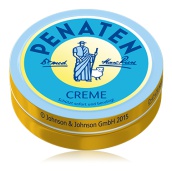
Penaten Creme
Penaten Creme is a legendary European skin protection cream, widely recognized for its thick, protective consistency. Originally formulated for diaper rash and skin irritation, it has become a staple for treating extremely dry patches and compromised skin barriers. The formula centers around Petrolatum and Zinc Oxide; the former acts as a potent occlusive to prevent water loss, while the latter offers soothing, anti-inflammatory benefits for redness. Because of its heavy, pasty texture, it creates a physical shield on the skin. While it includes nourishing Lanolin and antioxidant Tocopherol (Vitamin E), the combination of heavy waxes and oils makes it a significant choice for barrier repair but a cautious one for facial use. It is ideal for 'slugging' or protecting skin from harsh environmental elements, though its richness might feel overwhelming for daily wear on balanced skin. This classic product remains a go-to for those needing intensive moisture, particularly in cold climates or for targeted areas like elbows and knees.
Our Analysis
Our analysis identifies Penaten Creme as having a MODERATE comedogenic risk. The formula contains Soybean Oil (3/5), which can be problematic depending on its refinement, and Lanolin (2/5), a sheep-wool-derived emollient that mimics skin lipids but can trigger breakouts in some individuals. Additionally, Tocopherol (Vitamin E) carries a 2/5 rating. While the Petrolatum base is non-comedogenic itself, its heavy occlusive nature can trap oils and debris, potentially leading to congestion in those with active acne. Users with clear skin but severe dryness may benefit, but those prone to blackheads should proceed with caution.
Skin Type Recommendations
This cream is best for very dry, irritated, or compromised skin barriers. It is not recommended for oily or acne-prone skin due to its moderate comedogenic risk and heavy occlusive base. Sensitive skin types may appreciate the Zinc Oxide, but should patch test due to the presence of Lanolin.
Flagged Ingredients
Moderate comedogenicity; depends on the refinement level of the oil.
Natural emollient derived from sheep wool. Pure lanolin has moderate risk, but derivatives like acetylated lanolin are significantly more comedogenic (rating 4-5).
Pure Vitamin E is thick and sticky; safe in small amounts as an antioxidant, but potentially clogging in pure oil form.
Want Deeper Analysis?
Run our MACR (Multi-Axis Comedogenic Risk) analysis to get a comprehensive 5-axis risk assessment. This AI-powered analysis evaluates ingredients for Plugging Risk, Barrier Damage, Fungal Acne Risk, Oxidation Risk, and real-world User Reports — giving you personalized scores for your skin type.