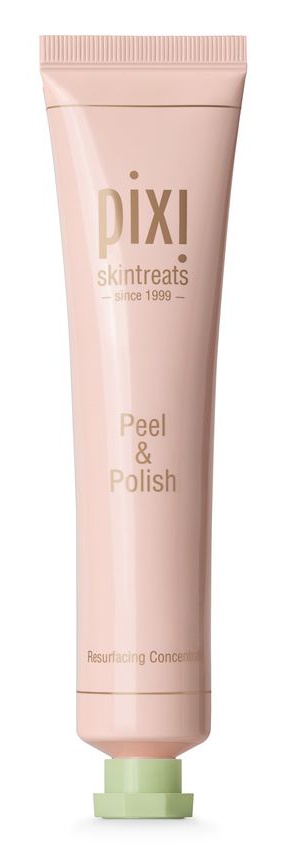
Pixi Peel & Polish
Pixi Peel & Polish is a professional-inspired resurfacing treatment designed to deliver a 'salon-style' exfoliation experience at home. This dual-action formula utilizes both chemical and physical exfoliants to reveal a more radiant complexion. Lactic Acid (an AHA) works to dissolve the bonds between dead skin cells, while fruit enzymes and polylactic acid beads provide gentle physical polishing to refine skin texture. Formulated with a base of Sunflower Seed Oil, the product has a creamy, paste-like consistency that aims to balance intensive exfoliation with a hit of moisture. While the inclusion of lactic acid is fantastic for brightening dull skin and smoothing fine lines, the supporting ingredients play a significant role in its overall impact on the skin barrier. It leaves the skin feeling immediately smoother and looking more vibrant, making it a popular choice for those seeking an instant glow and improved skin clarity through regular weekly treatment.
Our Analysis
Our analysis of Pixi Peel & Polish reveals a HIGH comedogenic risk level, which is a significant concern for those with acne-prone skin. The primary red flag is Ceteareth-20, a potent penetration enhancer with a 5/5 comedogenic rating. When Ceteareth-20 is formulated alongside Cetearyl Alcohol, as it is here, they create a synergistic effect that elevates the pore-clogging potential to a level 4. Furthermore, the presence of Capric/Caprylic Triglyceride and Tocopherol adds to the rich, emollient nature of the product, which can lead to congestion and breakouts despite the exfoliating benefits of the lactic acid.
Skin Type Recommendations
This treatment is best suited for dry, mature, or dull skin types that do not suffer from frequent breakouts. We strongly advise against using Pixi Peel & Polish if you have oily, combination, or acne-prone skin. The high comedogenic rating of the emulsifiers likely outweighs the exfoliating benefits for congestion-prone individuals.
Flagged Ingredients
Highly comedogenic penetration enhancer. Opens the skin barrier to drag other ingredients deeper, causing congestion.
Fatty alcohol emollient with low-moderate comedogenicity on its own. However, when combined with Ceteareth-20, the synergistic effect can significantly increase pore-clogging potential (combined rating of 4).
Fractionated coconut oil; removed most clogging long-chain acids but can still affect some.
Pure Vitamin E is thick and sticky; safe in small amounts as an antioxidant, but potentially clogging in pure oil form.
Want Deeper Analysis?
Run our MACR (Multi-Axis Comedogenic Risk) analysis to get a comprehensive 5-axis risk assessment. This AI-powered analysis evaluates ingredients for Plugging Risk, Barrier Damage, Fungal Acne Risk, Oxidation Risk, and real-world User Reports — giving you personalized scores for your skin type.