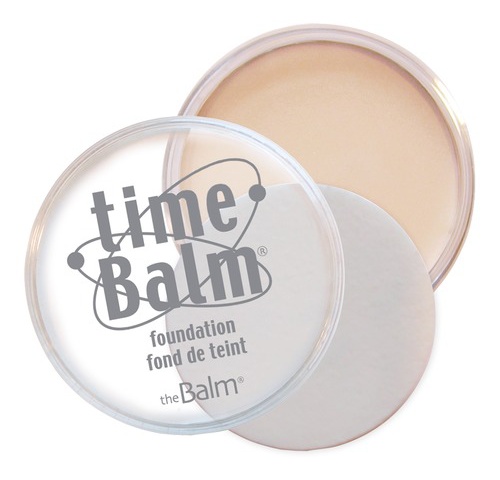
theBalm Timebalm Foundation
theBalm Timebalm Foundation is a creamy, full-coverage foundation designed to provide a smooth, even complexion while doubling as a skin-conditioning product. Infused with skin-loving vitamins like Vitamin A, C, and E, this foundation aims to protect the skin from environmental stressors while concealing imperfections. The texture is notably rich and emollient, utilizing a base of Tridecyl Trimellitate and Neopentyl Glycol Dicaprylate/Dicaprate to ensure a seamless, blendable application that feels luxurious on the skin. While it provides a soft-focus finish that helps blur the appearance of fine lines, the formula is heavily reliant on oils and waxes for its signature slip. This foundation is a popular choice for those seeking a dewy, youthful glow, but the inclusion of specific fatty acids and oils requires a closer look for those with reactive skin. It delivers high-impact coverage that remains comfortable throughout the day, making it a staple for users who prioritize a hydrated, non-cakey makeup look.
Our Analysis
Our analysis of theBalm Timebalm Foundation reveals a High Comedogenic Risk level, which is a critical consideration for those with blemish-prone skin. The primary concern is oleic acid, which carries a high rating of 4/5 for its ability to disrupt the skin barrier and induce pore blockage. Additionally, soybean oil (3/5) and capric/caprylic triglyceride (2/5) add to the congestion risk. While beeswax is used to create a protective barrier, it can inadvertently trap these other comedogenic ingredients against the skin, potentially leading to breakouts and congestion in sensitive individuals.
Skin Type Recommendations
This foundation is best suited for very dry or mature skin types that benefit from rich, emollient textures. However, it is poorly suited for oily, combination, or acne-prone skin. The high concentration of oleic acid and oils is likely to exacerbate sebum issues and cause pore-clogging for these users.
Flagged Ingredients
Disrupts skin barrier function and induces pore blockage.
Moderate comedogenicity; depends on the refinement level of the oil.
Forms a breathable barrier; rarely clogs pores directly but can trap other comedogenic ingredients underneath it.
Fractionated coconut oil; removed most clogging long-chain acids but can still affect some.
Want Deeper Analysis?
Run our MACR (Multi-Axis Comedogenic Risk) analysis to get a comprehensive 5-axis risk assessment. This AI-powered analysis evaluates ingredients for Plugging Risk, Barrier Damage, Fungal Acne Risk, Oxidation Risk, and real-world User Reports — giving you personalized scores for your skin type.