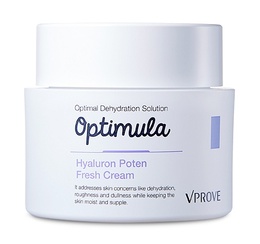
VPROVE Optimula Hyaluron Poten Balance Cream
VPROVE Optimula Hyaluron Poten Balance Cream is formulated as an intensive moisture-balancing solution, designed to provide deep hydration to thirsty skin. The formula leads with humectants like Butylene Glycol and Glycerin, which work to pull moisture into the deeper layers of the epidermis. To ensure this hydration stays locked in, the cream utilizes silicones such as Cyclopentasiloxane and Cyclohexasiloxane, giving the product a silky, spreadable texture that leaves a smooth finish on the skin. While it aims to restore the skin's natural equilibrium, the ingredient list reveals a heavy reliance on rich emollients. The inclusion of various fatty alcohols and acids provides a protective barrier, making the cream feel substantial and nourishing. However, for those with specific skin concerns like persistent congestion, the complexity of this emollient blend requires a closer look. It is a potent choice for environmental protection, but the richness of its texture may be a double-edged sword for certain skin types.
Our Analysis
Our analysis of VPROVE Optimula Hyaluron Poten Balance Cream flags it as a HIGH comedogenic risk. The formula contains a significant cluster of pore-clogging ingredients, including Capric/Caprylic Triglyceride, Stearic Acid, Cetearyl Alcohol, Cetyl Alcohol, and Stearyl Alcohol. While each of these carries a moderate individual rating of 2/5, their cumulative effect is concerning for acne-prone individuals. The high concentration of multiple fatty alcohols and thickening agents creates a dense occlusive layer that can easily trap sebum and debris, potentially leading to breakouts and whiteheads in sensitive or congestion-prone skin.
Skin Type Recommendations
This cream is best suited for very dry, non-acne-prone skin types that require heavy occlusion. It is not recommended for oily, combination, or acne-prone skin, as the high density of comedogenic fatty alcohols and stearic acid is likely to cause significant pore blockage and exacerbate active breakouts.
Flagged Ingredients
Fractionated coconut oil; removed most clogging long-chain acids but can still affect some.
Fatty alcohol emollient with low-moderate comedogenicity on its own. However, when combined with Ceteareth-20, the synergistic effect can significantly increase pore-clogging potential (combined rating of 4).
Found in many butters; thickening agent with low-moderate risk.
A fatty alcohol (emollient) that is generally safe, but can be problematic for very sensitive individuals.
Waxy fatty alcohol; low risk but can add heaviness.
Want Deeper Analysis?
Run our MACR (Multi-Axis Comedogenic Risk) analysis to get a comprehensive 5-axis risk assessment. This AI-powered analysis evaluates ingredients for Plugging Risk, Barrier Damage, Fungal Acne Risk, Oxidation Risk, and real-world User Reports — giving you personalized scores for your skin type.