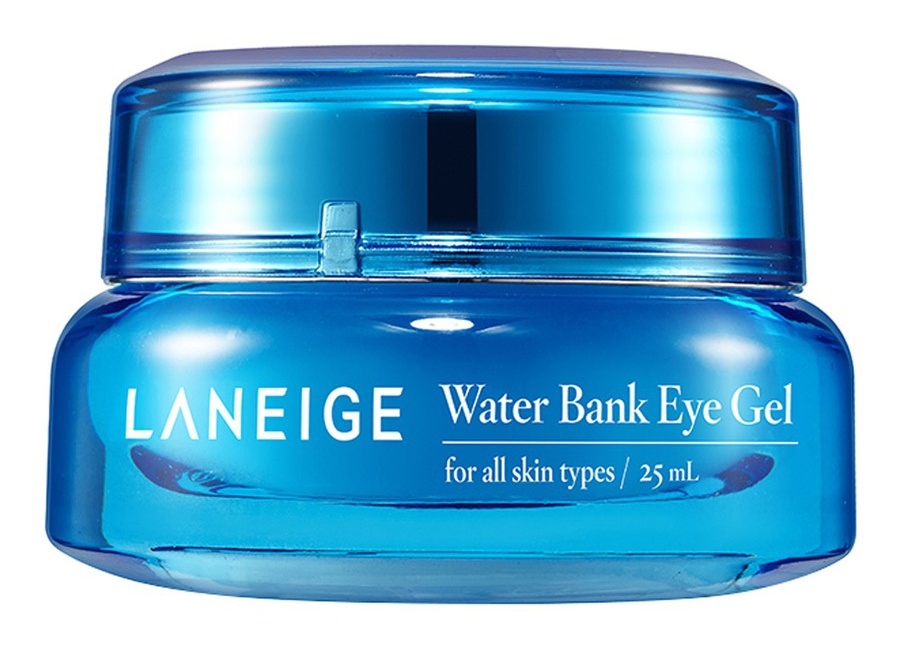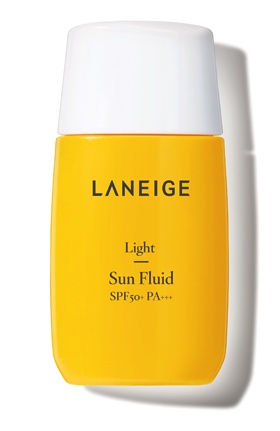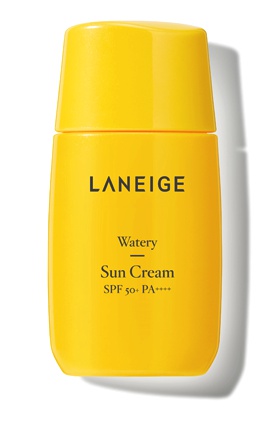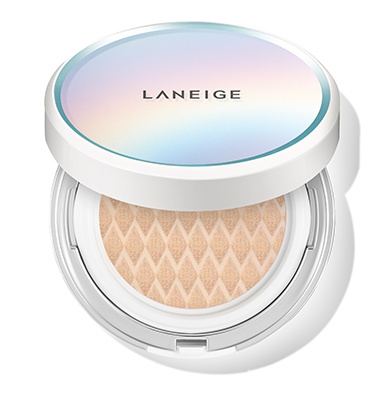
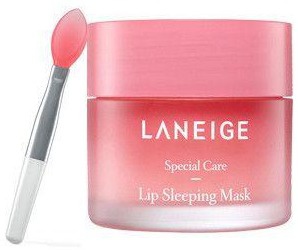
LANEIGE Lip Sleeping Mask
The LANEIGE Lip Sleeping Mask is a cult-favorite overnight treatment designed to deliver intense hydration and smooth the delicate skin on the lips. Formulated with a blend of rich emollients like Diisostearyl Malate and Hydrogenated Polyisobutene, it creates a protective barrier that locks in moisture while you sleep. While it is celebrated for its plush, balm-to-oil texture and ability to transform dry, flaky lips into a supple canvas, it is important to look closely at its formulation for skin safety. The mask features a mix of skin-softening butters and film-forming agents that provide that signature long-lasting feel and glossy finish. For many, it is the ultimate luxury for lip care, especially in cold or dry climates where moisture loss is constant. However, for those with specific skin sensitivities or acne concerns around the mouth area, understanding the ingredient profile is key. This mask aims to deeply nourish and protect, making it a staple for anyone looking to wake up with a perfectly hydrated, soft pout.
Our Analysis
Our analysis of the LANEIGE Lip Sleeping Mask reveals a High comedogenic risk level, which is a significant consideration for those prone to perioral dermatitis or breakouts around the lip line. The formula contains Murumuru butter and Algin, both rating a 4/5 on the comedogenic scale. Murumuru butter is rich in lauric and myristic acids, behaving similarly to coconut oil which can easily clog pores. Algin, a thickener derived from brown algae, is known for creating heavy films that may trap sebum. Additionally, Stearic Acid adds a low-to-moderate risk of 2/5, contributing to the potential for congestion.
Skin Type Recommendations
This mask is best suited for individuals with very dry or severely chapped lips who do not struggle with acne. However, it is poorly suited for oily or acne-prone skin types. If you are prone to breakouts around the mouth or chin, the high-clogging ingredients may trigger perioral acne.
Flagged Ingredients
Rich in Lauric and Myristic acids, similar to coconut oil.
Polysaccharide thickener derived from brown algae; creates clogging films.
Found in many butters; thickening agent with low-moderate risk.
Want Deeper Analysis?
Run our MACR (Multi-Axis Comedogenic Risk) analysis to get a comprehensive 5-axis risk assessment. This AI-powered analysis evaluates ingredients for Plugging Risk, Barrier Damage, Fungal Acne Risk, Oxidation Risk, and real-world User Reports — giving you personalized scores for your skin type.