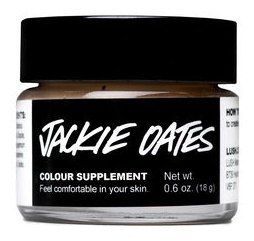
Lush Jackie Oats
Lush Jackie Oats is a soothing facial moisturizer specifically formulated for those with sensitive, easily irritated skin. This gentle cream features a base of calming oat milk and aloe vera extract, both renowned for their anti-inflammatory properties and ability to reduce facial redness. Safflower oil provides a lightweight yet effective moisture boost, rich in linoleic acid, while titanium dioxide offers a subtle evening effect on the complexion. The texture is creamy and breathable, designed to glide onto the skin to provide immediate comfort and a protective barrier against environmental stressors. While its ingredient list emphasizes natural relief and botanical goodness, users with specific skin sensitivities or acne-prone tendencies should examine the formulation closely. It remains a popular choice for those seeking a fresh, minimalist approach to hydration that prioritizes cooling sensations and gentle nourishment to restore balance to stressed skin.
Our Analysis
Our analysis of Lush Jackie Oats reveals a moderate comedogenic risk level. While the formula is packed with soothing ingredients like oat milk, it contains three specific components that may trigger breakouts in congestion-prone individuals: stearic acid, cetearyl alcohol, and lanolin. Each of these carries a low-to-moderate rating of 2/5. While cetearyl alcohol is a common emollient, it can become more problematic when combined with certain surfactants. Lanolin is a highly effective emollient for dry patches but can be too heavy for those with active acne, potentially trapping sebum and leading to further irritation.
Skin Type Recommendations
Lush Jackie Oats is best suited for dry, sensitive, or irritated skin types needing extra calm. However, it is not recommended for oily or acne-prone skin due to the moderate risk of pore-clogging from lanolin and stearic acid. Those with combination skin should use it only on dry areas.
Flagged Ingredients
Found in many butters; thickening agent with low-moderate risk.
Fatty alcohol emollient with low-moderate comedogenicity on its own. However, when combined with Ceteareth-20, the synergistic effect can significantly increase pore-clogging potential (combined rating of 4).
Natural emollient derived from sheep wool. Pure lanolin has moderate risk, but derivatives like acetylated lanolin are significantly more comedogenic (rating 4-5).
Want Deeper Analysis?
Run our MACR (Multi-Axis Comedogenic Risk) analysis to get a comprehensive 5-axis risk assessment. This AI-powered analysis evaluates ingredients for Plugging Risk, Barrier Damage, Fungal Acne Risk, Oxidation Risk, and real-world User Reports — giving you personalized scores for your skin type.